
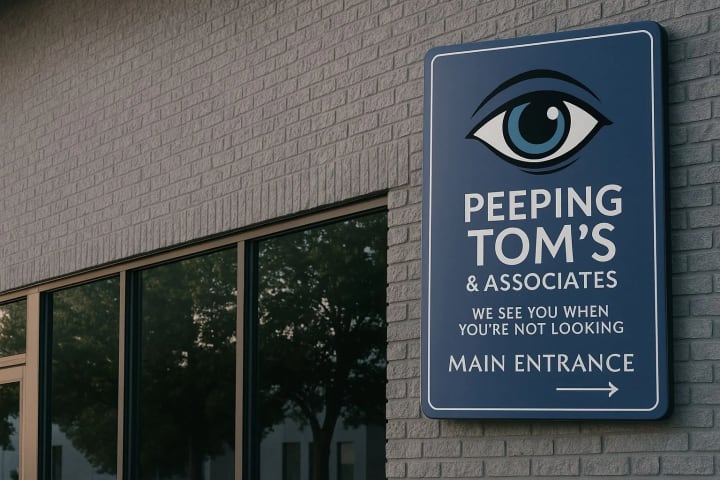

The story A Clear Brief Starts With the Message

Start with what someone should understand after seeing the sign. Is the priority finding an entrance, recognizing your business or reading an instruction? Rank the remaining information beneath that purpose. A logo, address and phone number may all belong on the panel, but deciding which matters most gives the design brief direction.

For example, a Sacramento business might need a panel directing visitors to its entrance. The brief could make "Visitor Entrance" the leading message, with the business name as supporting information. Describe the intended location and viewing position, and identify any directional wording that still needs confirmation. This connects the message to its purpose before you approve the layout.

Sactown Signco can scope sign design and production from your brief. Gather the wording, artwork, requested panel details and unresolved questions in one request. If you need help arranging the message or preparing artwork, include that work in the scope. When a decision changes, identify what it replaces so the quote and proof describe the same sign.

Quick answer

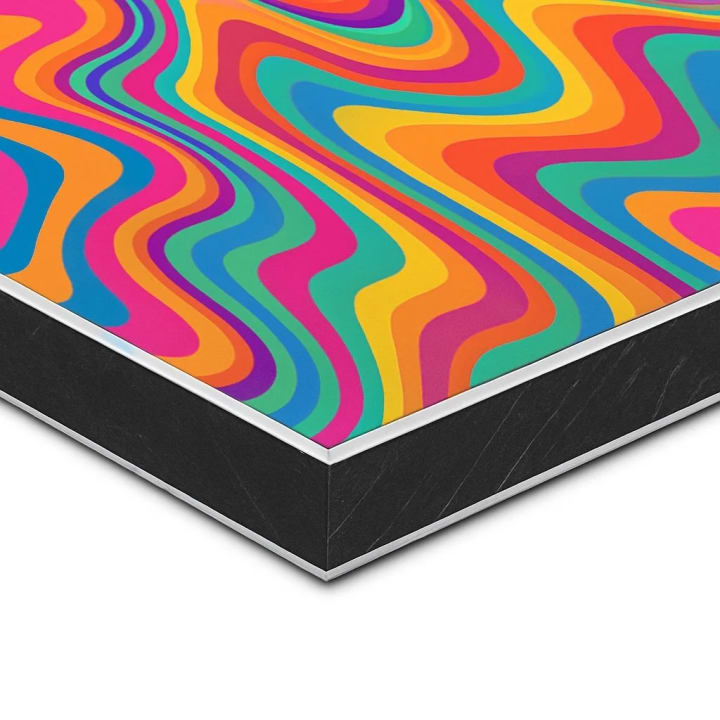
Direct answer: DIBOND is a brand of aluminum composite material, often shortened to ACM: aluminum face sheets bonded to a core. These panels provide a flat surface for printed signs and graphics. Sactown Signco quotes custom panels for Sacramento businesses, with the actual material, finish, size and installation scope confirmed for your project.

Key takeaways

  • Put the main message ahead of secondary copy so the layout has a clear starting point.
  • Mark dimensions and other details as confirmed or undecided; a rough idea should not read like a final specification.
  • Keep the quote and accepted proof consistent, especially when requested changes affect the panel or artwork.

Dibond, solid aluminum or an indoor display board?

Dibond belongs to the aluminum composite family: metal faces give the panel a smooth print surface, while the core is part of its construction. It is a useful direction for storefront identification, site information and directional panels. The manufacturer lists DIBOND for display and exterior graphic applications; the complete sign still needs graphics, support and mounting suited to its location.

Compare solid aluminum signs when you need a metal sheet rather than a composite panel. For indoor promotions, PVC signs or Gatorboard displays may be worth discussing. Material names are starting points; the span, exposure and way you plan to use the sign decide which makes sense.

What affects the price of a custom panel?

Finished dimensions, quantity, the specified ACM brand and thickness, one- or two-sided graphics, protective finishes, cutting and mounting preparation all affect the quote. A replacement panel also needs measurements of the existing frame or support. Send those details with your artwork, or flag what still needs measuring.

For a Sacramento-area project, ask about installation at the same time as fabrication. Include photos of the wall, posts or frame so the proposal can clearly identify the work involved.

The frame is still there, but the panel needs replacing

Send a full view of the existing sign and a close view of how the panel is held. Keep these three measurements distinct:

  • Visible opening: the area the customer sees inside the frame.
  • Finished panel size: the full sheet, including any edge concealed behind the frame.
  • Panel thickness and fixings: the fit in the frame and any holes or attachment points.

A visible-opening measurement is useful for a first quote, but it may not be the cutting size. We will identify what needs checking before fabrication; you do not have to dismantle the sign to start the conversation. Tell us whether the existing wording is staying or a new tenant name is going in.

Does the sign light up from inside?

Tell us that at the start. Dibond and solid aluminum are opaque panels; they will not let a cabinet’s internal light shine through the face. A replacement face for a light box needs a different material and graphics plan matched to that cabinet. Send a daylight photo and, if available, a photo with the sign lit so we can identify the right replacement discussion before quoting a panel.

Still choosing between materials? The Dibond-versus-aluminum guide explains the construction difference. Send your replacement-panel request with the old sign photos and the wording you want on the new face.

Specs & options

Specs

Material
Name the actual product in the quote; distinguish DIBOND from a general ACM request.
Primary message
State the wording readers should notice first.
Placement
Describe the intended location and viewing position.
Dimensions & quantity
Provide width, height, units and panel count; identify estimates.
Artwork scope
Identify supplied artwork and any design work to quote.
Graphic faces
Specify one or two graphic faces and the intended content.
Approval
Identify the proof revision you accept and resolve outstanding questions.

Options

  • Panel size — If dimensions are undecided, explain the intended placement and message rather than supplying an unverified final size.
  • Thickness — Include any required thickness in your request and confirm the specification for the quoted product.
  • Color references — Supply existing brand references and identify which artwork colors matter to the brief.
  • Second face — If both sides need graphics, say whether the same message belongs on each.
  • Shape & edges — Describe requested corners, outlines or edge details so they can be considered in the quote.

Need help preparing files? See Artwork Setup.

Good fit for

  • Entrance signs — Decide whether visitors first need the business name, entrance identification or a direction.
  • Storefront identification — Rank the business name, service description and other wording by importance.
  • Visitor directions — State the destination and confirm the intended direction before accepting the artwork.
  • Lobby signs — Explain whether the panel should identify the business or help visitors find their next stop.
  • Property information — Separate the headline from contact details and other supporting information.
  • Retail information — Decide whether the panel leads with a product, an offer or an instruction.

How it works

  1. 1) Describe the sign's job

    Send the main message, intended placement and available artwork. Explain what you want a reader to understand or do, and flag details that are still estimates.

  2. 2) Define the quoted work

    Bring the panel requirements and requested design help into one scope. Confirm the actual material, dimensions, quantity and graphic faces before accepting the quote.

  3. 3) Check and accept the proof

    Read every word and check message priority, dimensions and face content against the brief. Request corrections explicitly and identify the revision you accept for production.

  4. 4) Agree installation separately

    If installation is needed, request a separate scope for that service. Confirm what it includes alongside the agreed sign design and production work.

FAQ

Can I request a quote with only a rough sign idea?

Yes. Start with the purpose, exact wording you already know and intended placement. Share any available artwork and distinguish estimates from confirmed details. Include the design help you need so it can be considered in the quote.

How should I request a change after seeing the proof?

State the exact change and identify the proof it refers to. Ask for any effect on the quoted scope to be clarified before approval. When you accept the revised artwork, make clear which version you mean.

How is Dibond different from a solid aluminum sign?

DIBOND has aluminum face sheets and a core, while solid aluminum is a different material construction. Use the material name in your request instead of relying on "metal sign," which leaves the intended product unclear.

What should I check before accepting a proof?

Check spelling, contact details, message priority, dimensions and the content assigned to each graphic face. Compare these with your brief and quoted scope. Resolve unanswered questions before accepting a specific revision; a general "looks good" can leave the intended approval unclear.

Can installation be included in my Sacramento sign project?

Yes, we can review installation alongside the panel fabrication. Send photos of the wall, posts or frame and the project address. The quote will identify the production, any removal and the installation work included.

Is Dibond the same as ACM?

DIBOND is a named material within the broader aluminum composite material, or ACM, category. An ACM description alone does not specify DIBOND. If that particular product is required, state it in your brief and confirm that the quote names it.

Can you make a replacement panel for an existing sign frame?

We can review that request. Send photos of the full sign and the way the panel is held, plus any measurements or original drawings. Final panel dimensions, thickness and fixing details need to fit the actual frame; include removal and installation if you need those services.

Can Dibond replace the translucent face of a lighted sign?

Dibond is opaque, so it will block light passing through a sign face. It may suit an unlit panel or a sign lit from the outside, but it is not an equivalent replacement for a translucent cabinet face. Tell us how the existing sign is illuminated and send photos so we can review the appropriate scope.

Should I measure the frame opening or the old sign panel?

Label whichever measurement you have. The visible opening and the complete panel can be different because a frame may cover the edges. Before cutting, we need the finished panel dimensions, thickness and attachment details confirmed for the frame. Photos and an opening measurement are enough to begin discussing the replacement.

Need the complete project? Explore custom sign fabrication and Sacramento sign installation.

Find a sign or page

Try “fabrication,” “acrylic sign,” or “window sign.”