

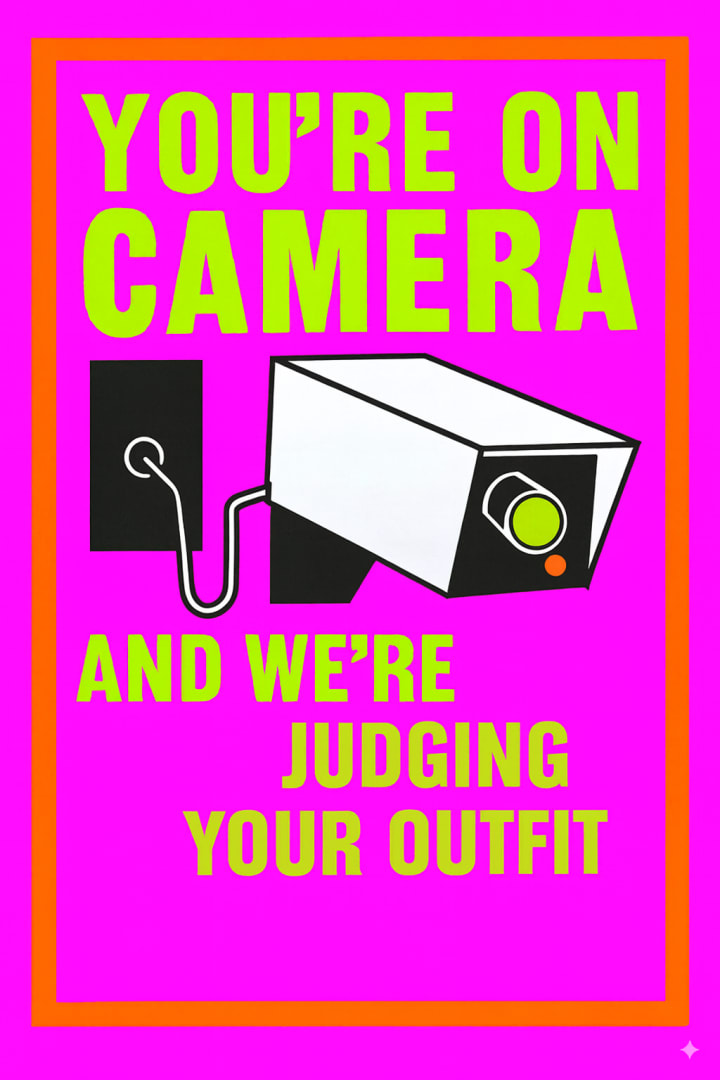
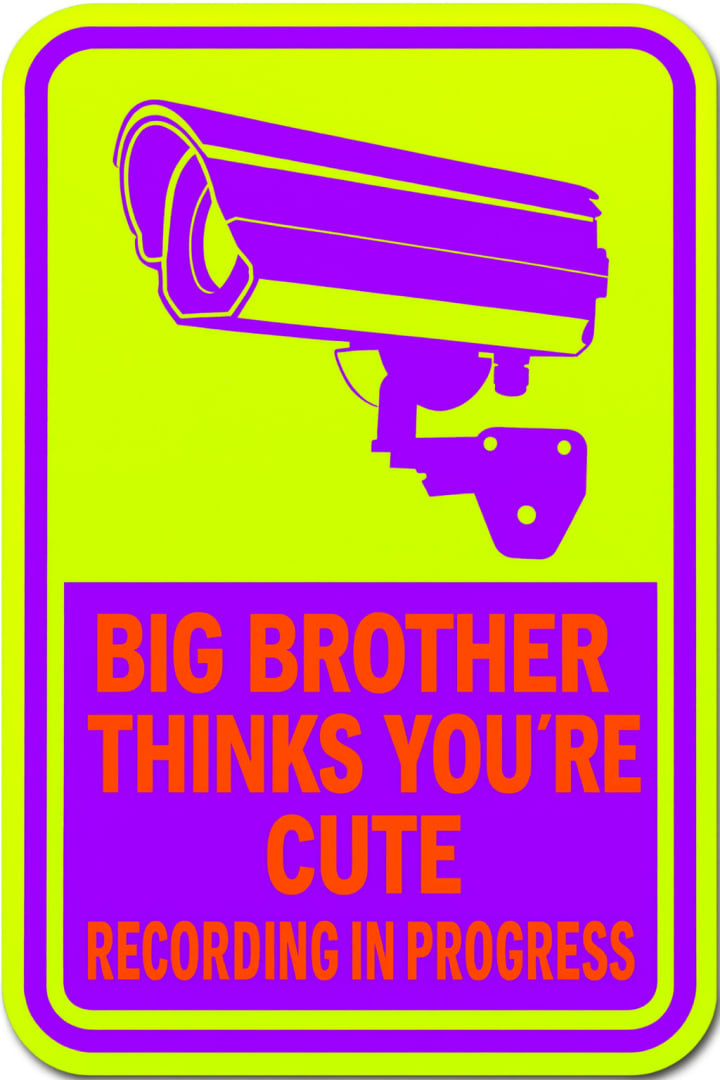
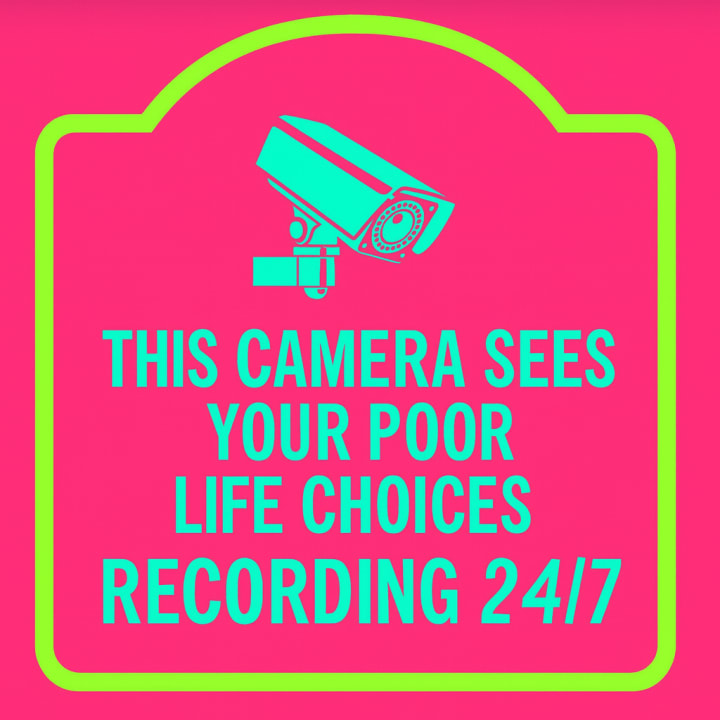
Quick answer
Direct answer: A video surveillance sign communicates the camera notice approved for your property. We print the wording and layout for the entrances, gates or other locations you specify. Keep the message accurate to the monitoring actually in place and have any required wording confirmed before production.
Key takeaways
- When cameras do not record continuously, do not use a 24-hour claim simply because it appears on a common template.
- When audio, facial recognition, or another sensitive function is involved, pause copy production until the responsible reviewer confirms what notice is appropriate.
- When an entrance and parking approach have different reading distances, prepare different layouts instead of shrinking the same artwork.
- When mandatory text must remain verbatim, treat it as a fixed requirement and differentiate the page through explanation, not by paraphrasing the notice.
Specs & options
Specs
- Verified practice
- Camera presence, recording behavior, monitoring schedule, audio status, affected area, and responsible operator documented by the customer.
- Copy authorization
- Exact headline, supporting language, translations, contact details, and policy references approved by the responsible reviewer.
- Notice point
- Location ID, photograph, map reference, entrance sequence, approach direction, and expected reading distance supplied.
- Layout hierarchy
- Primary disclosure, approved symbol, qualifier, and secondary information ranked for the available viewing time.
- Physical interface
- Available area, post, wall, fence, glass, or other support measured with attachment and property constraints noted.
- Environmental facts
- Interior or exterior exposure, illumination, glare, obstruction, cleaning, tampering risk, and inspection access described.
- Quote record
- Finished size, substrate, face count, print treatment, edges, holes, finish, delivery, and any installation scope stated explicitly.
Options
- Use a symbol-led approach only when the accompanying approved text remains clear to the intended audience.
- Prepare separate pedestrian and vehicle versions when one layout cannot serve both reading distances.
- Request a second language after an authorized translation has been supplied and checked in the final proof.
- Add an organization mark or contact only when the site owner wants it on the notice and provides the current asset or detail.
- Coordinate a numbered proof set with a site schedule for projects involving several entrances or different surveillance practices.
- Ask for a construction comparison after placement, exposure, support, inspection, and attachment conditions are documented.
Need help preparing files? See Artwork Setup.
Good fit for
- A business entrance where visitors need an approved surveillance notice before crossing the threshold.
- A parking or vehicle approach that requires a short message readable from a greater distance.
- A loading area with a site-specific audience, direction of travel, and mounting surface.
- A residential or managed-property entry where the responsible owner has supplied the notice text.
- A school, office, or institutional setting whose policy reviewer controls wording and placement.
- A multi-site program that needs location IDs, version control, and documented copy ownership.
How it works
-
1) Complete the practice record
Have the system operator document what each camera zone actually does, including any limits on recording, monitoring, audio, coverage, or operating period.
-
2) Obtain approved notice copy
Send the facts to the appropriate owner, privacy, legal, security, or policy reviewer and receive the exact wording and translations authorized for use.
-
3) Number the locations
Map each notice point with a photograph, approach direction, reading distance, available dimensions, lighting, support, and installation restriction.
-
4) Match layout to context
Assign the approved message to each location, then review type hierarchy, icon role, orientation, face count, and quoted construction.
-
5) Control later changes
Retain the approved copy and location schedule so the owner can revisit notices when equipment, policy, entrances, contacts, or governing requirements change.
FAQ
What should a video surveillance sign say?
It should use the exact language approved for the site and describe only practices the system operator can verify. Claims such as continuous monitoring, recording in progress, audio capture, or a specific response should not be added unless they are accurate and authorized.
Are video surveillance notice signs legally required?
That is a fact-specific legal and policy question, not something a product page can decide. Requirements may vary with jurisdiction, setting, technology, recorded information, audience, and placement. Ask the appropriate qualified reviewer to approve the wording and notice plan.
Does posting a surveillance sign make camera use compliant?
A printed notice by itself does not establish compliance or authorize a surveillance practice. The responsible organization must evaluate the system, policies, permissions, disclosures, accessibility, and applicable rules; Sactown Signco produces from the approved brief.
How large should a security camera notice sign be?
Start with the viewer’s approach, distance, speed, available reading time, lighting, and mounting area. A parking entrance and an interior reception point may need different sizes and copy density. Provide measurements and photographs for quote review.
Can surveillance signs include a logo, contact, or translation?
Request those elements with the authoritative logo, current contact detail, and approved translated copy. The owner should decide whether they support the notice or distract from it, and every language version should be verified before production.
Which material should be used for an outdoor video surveillance sign?
Describe the exposure, support, size, attachment method, viewing conditions, maintenance access, and desired service context. The quote can then state the proposed substrate and finish; no generic material label guarantees performance in every installation.
What should I send for a custom surveillance-sign quote?
Send approved copy, verified surveillance facts, location schedule, site photographs, dimensions, quantities, viewing directions, exposure, mounting details, required date, brand assets, and the names of the operational and copy approvers.
Compare Sign Options
Need the complete project? Explore custom sign fabrication and Sacramento sign installation.