Give your name some depth. Raised letters and custom wall logos turn a reception wall, office entrance or storefront into a recognizable part of your business.
Raised business names and logos for reception walls and storefronts.
Compare acrylic and metal finishes against the real background.
Fabrication and installation scoped together when site work is needed.
Quick answer
Direct answer: Dimensional signs use raised letters or a shaped logo to give your business name physical depth. Acrylic and metal are common directions for reception walls, office lobbies and storefronts. We help you work through the look, size and mounting details, then define fabrication and any Greater Sacramento installation in the quote.
Key takeaways
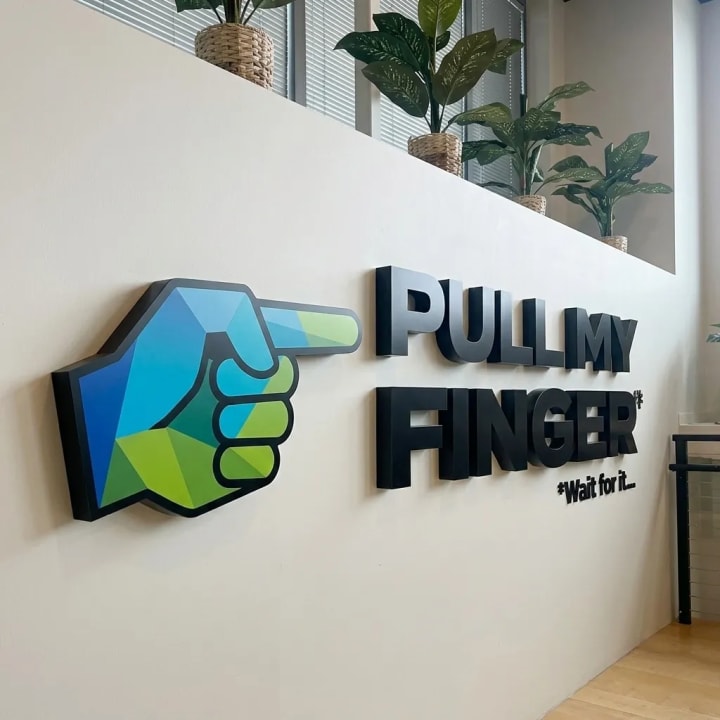
Artwork may include supporting words that need a different physical treatment from the main logo.
We help choose the material, depth, finish and attachment for your artwork and the wall it will go on.
Acrylic or metal for an office lobby sign?
Start with what the logo should look like on your actual wall. Acrylic letters and panels are a direction to consider for solid colors and layered graphics. Metal letters bring their own surface and edge character; brushed, painted and anodized finishes are different looks to compare with a sample or reference.
The background matters as much as the loose letter. A dark logo can disappear on a dark wall. A polished surface may pick up reflections. A shallow letter under soft light creates a different shadow from a deeper letter under a nearby downlight. Include a room photo so the sign is considered in context.
What does a custom lobby sign cost?
Size is only one part of the price. The number of separate pieces, fine details, material, thickness, finish, mounting pattern and access for installation all affect the work. Send the logo, a rough overall width and a wall photo for a useful estimate. We can identify which design decisions have the most influence on cost without guessing at a universal price.
For your letter set, ask about local installation when you request fabrication so alignment, wall preparation and mounting are part of the same conversation.
Moving into a new office?
Give us the move-in or opening date, the logo and a wide photo of the reception area. We can work through the overall size, a finish that suits the room, and whether the smaller words in the logo should become separate pieces. Include your target budget so the options are useful to the person approving the purchase.
The business name may need to be recognized first. A symbol may carry the identity on its own. A descriptive line may help explain what the business does after someone has noticed the name. Decide that reading order before asking every word to carry equal visual weight.
Depth is one way to express that difference. It is also a physical choice: a composition built from separate shapes needs an agreed arrangement, not just a list of characters. Keep punctuation, accents and small logo details visible in the discussion so they are considered deliberately.
Two ways to organize the sign face
Let the background stay visible
Individual letters and an emblem can make the surrounding wall part of the composition. The gaps between elements remain visible too. Consider how the whole arrangement sits against that background, rather than judging a single loose letter.
Give the elements a common field
A backing panel introduces a separate shape behind the identity. Its outline, margins and visible area become part of the design. If a panel is under consideration, describe it in the request instead of assuming it comes with the letters.
What to look for in the gallery
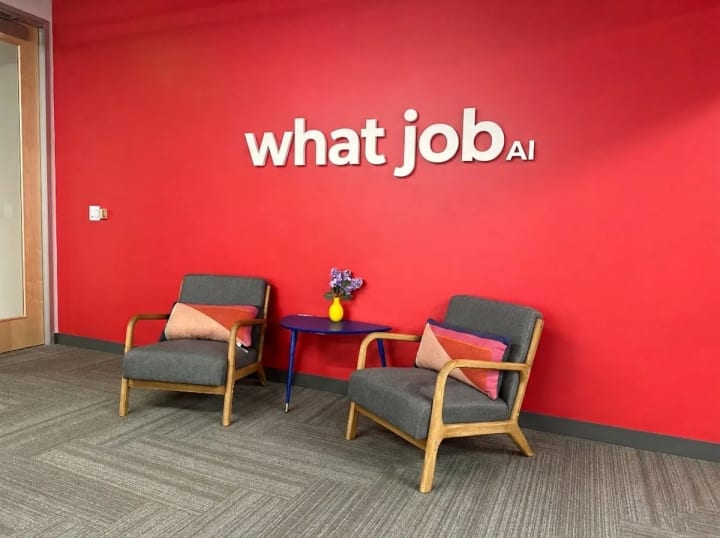
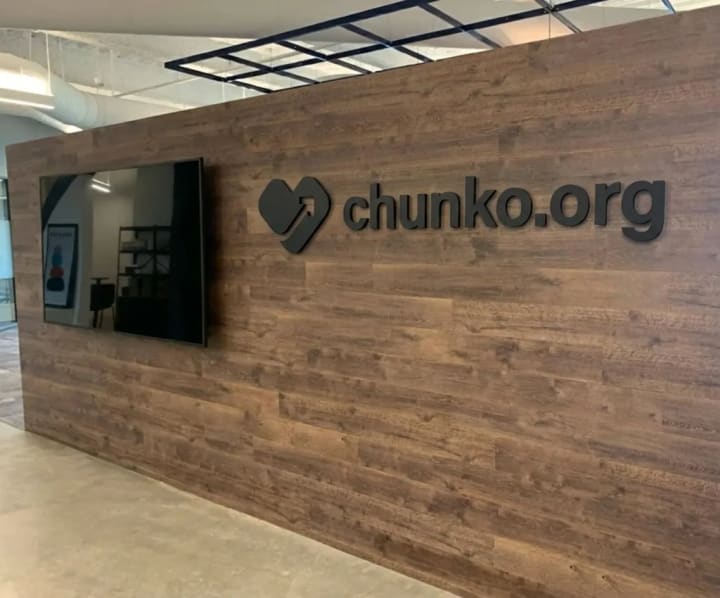
Compare the white wordmark on a red wall with the black letters spaced off masonry. The first shows how strongly the wall color frames the name; the second makes the shadows and space behind the letters easy to see. The logo on the wood-clad wall shows why the pattern of the background belongs in the design discussion too.
The loose letters arranged over paper drawings show another part of the job: keeping a collection of separate pieces in the right relationship. Tell us which example is closest to your space, then send a room photo so we can work through that look with your logo.
A wall mockup and a mounting pattern do different jobs
A mockup helps you judge the logo’s size and position. Check whether it should center on the reception desk, the usable wall or another feature, and confirm the width of the whole logo rather than just the height of one letter. Include the smallest tagline in that review.
A mounting pattern gives the installer the layout for the actual pieces. Depending on the mounting method, that may be a spacing guide, a stencil or a drawing with fixing points. A screenshot of the logo is not a substitute for a pattern that matches the manufactured letters.
Already ordered your letters? Send the supplier’s drawing, mounting instructions, hardware list and a photo of the backs with your installation request. We can identify missing details before the appointment.
Read the proposal as a complete set
Included elements
The name, emblem, supporting words and any separate marks being produced.
Physical treatment
The proposed material and depth for each element, including any combination of treatments.
Visible finish
What the faces and exposed edges should look like, with the agreed reference identified.
Placement work
Whether the request includes installation, a background panel or other site work, and which details remain to be confirmed.
The black anodized aluminum project study shows another direction for a metal logo finish. Use it to point out the edge, surface or mounting appearance you like, and we can discuss how that translates to your wall.
Questions about the letter set
Does all the text in my logo file have to become separate letters?
No. The main name can be dimensional while smaller wording is printed or applied as vinyl. This often keeps fine details readable without making every small letter a separate part. Send the complete logo so we can recommend how to handle each element.
Can you fabricate and install our lobby logo?
Yes, installation can be included for suitable Greater Sacramento projects. Send the logo, a room photo, the project address and your target date. The proposal will identify the fabricated pieces, any background panel and the installation work included.
Is there a standard thickness for every order?
The letter size, logo details, material and desired depth guide the thickness. A reference photo helps communicate the look you like; we will recommend a construction for your actual wall and artwork.
What if I only know the wording I want?
Send the wording and a photo of where it will go. We can help you work through the layout before the letters are made. If you have a brand guide or existing logo, include it so the new sign feels like part of your business.
What if I need a quote to take back to my manager?
Send the logo, the approximate width, a wall photo and the budget or deadline you have been given. Tell us which decisions are still open. We can discuss a clear scope your manager can review, including whether installation is part of the request.
Can my lobby sign be ready before our office opens?
Share the opening date at the start. Artwork preparation, fabrication, any property approval and installation access all affect scheduling. We will discuss the feasible sequence for your project before a date is agreed.
Can you install dimensional letters purchased from another sign company?
Yes. Send the letter material, dimensions and weight if supplied, photos of the backs, the mounting instructions and the matching installation pattern. Include a wall photo and the address. If the supplier has not included a pattern or hardware, tell us before installation is scheduled so we can work out what is needed.
What size should my reception wall logo be?
Start with a straight-on room photo and the usable wall width. Tell us whether the logo should center over the desk or on the wall, and include the full logo and tagline. We will discuss an overall width and layout that suit the space; a letter-height measurement alone does not describe the size of the complete sign.
Bring the arrangement into the conversation
A sketch showing which elements should be raised can explain more than a product label. Add the placement you have in mind and any decisions already settled. Use the artwork preparation guide to assemble that context, or request a quote for your lettering.