


Quick answer
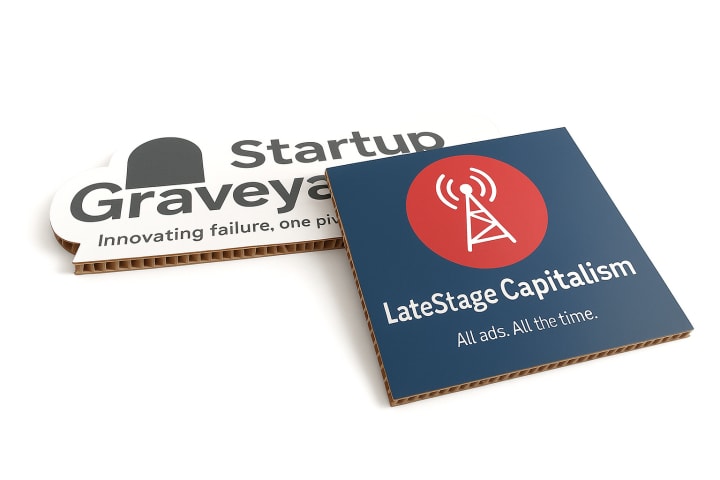
Direct answer: Falconboard uses a paper-honeycomb structure for rigid indoor displays. It is a material to consider for printed exhibit panels, retail graphics and shaped display pieces. Tell us how the sign will stand, hang or fit into a larger display so the edges and support can be planned along with the artwork.
Key takeaways
- Treat Falconboard as a family of paper-honeycomb display boards, not one universal thickness or construction.
- Choose the board with its orientation, fixture, edge appearance, movement, and storage plan already defined.
- Check recycling locally after accounting for printed layers, laminate, adhesive, edge trim, and attached hardware.
Specs & options
Specs
- Construction
- Falconboard-family paper honeycomb core with paper liner faces; exact grade confirmed in the quote.
- Display setting
- Primarily interior or controlled display use; disclose moisture, heat, sunlight, and handling conditions.
- Panel geometry
- Finished width, height, thickness request, orientation, and any dimensioned cut shape.
- Faces and edges
- Visible sides, face and core color expectations, plus the treatment of every exposed edge.
- Support
- Stand, easel, wall, hanging, or display-system interface supplied for review.
- Graphics
- Artwork for each visible face, with print and protective finish confirmed for the selected board.
- End of use
- Reuse, separation of attachments, and locally accepted recycling route considered before finishing choices.
Options
- Select the Falconboard grade, thickness, and face or core appearance for the actual display role.
- Specify one or two graphic faces and name each artwork file by panel and side.
- Submit a dimensioned outline for shaped cuts and identify whether the honeycomb edge may remain visible.
- Locate holes or support points from the real fixture rather than an assumed universal pattern.
- Confirm laminate, adhesive, edge trim, and display hardware separately because they affect handling and disposal.
Need help preparing files? See Artwork Setup.
Good fit for
- Interior retail campaign panels and point-of-purchase graphics.
- Exhibit and trade-show graphics with a defined stand, easel, or hanging system.
- Directional or event panels used in controlled indoor conditions.
- Shaped graphics and multi-panel display concepts after fabrication and support review.
How it works
-
1) Describe the display
State the venue type, indoor conditions, viewing sides, duration, number of moves, and intended reuse.
-
2) Define the panel
Provide finished dimensions, orientation, cut outline, exposed edges, and the stand or support interface.
-
3) Assign the artwork
Name the approved file for each panel face and list any unresolved color, edge, or protective-finish decision.
-
4) Confirm the quoted build
Review the selected board grade, graphics, cuts, support points, additions, and disposal assumptions before approval.
FAQ
What is a Falconboard sign?
Falconboard is a branded family of rigid graphics boards made primarily from renewable paper materials. Product variants use honeycomb construction and are designed for applications such as interior signs, exhibits, point-of-purchase displays, and three-dimensional display work.
When is Falconboard a useful display material?
Consider it when an indoor graphic needs a rigid face, relatively low carrying weight, and a planned support system. Finished size, exposed edges, movement, storage, and the selected product grade still need review.
Can Falconboard signs be used outdoors?
Do not assume a paper-based display board is weatherproof. Describe any moisture, direct sun, heat, wind, or prolonged exterior exposure before selection; another quoted substrate may be more appropriate.
Can a Falconboard panel have graphics on both sides?
Ask for a two-face build in the quote and provide separate, clearly oriented artwork for each side. Printing and finishing availability depend on the selected board and production method.
How should I plan a visible Falconboard edge?
Identify every edge a visitor will see and whether a natural, white, black, covered, or otherwise finished appearance is intended. Edge construction varies across the product family, so confirm it with the quoted grade.
Are Falconboard displays reusable?
Reuse depends on handling, support, finish, transport, storage, and the condition expected at the next event. State the planned number of moves and storage method instead of relying on a fixed lifespan claim.
Is a finished Falconboard sign recyclable?
The manufacturer describes Falconboard as recyclable paper-based media and expressly says to check local recycling policy. Confirm whether a local program accepts the complete sign and whether laminate, adhesive, trim, ink, or hardware must be separated.
Can Falconboard hold merchandise or serve as a structural shelf?
Do not treat a graphic panel as a structural component by default. A load-bearing display needs an identified product grade, engineered layout, support details, expected load, and explicit fabrication approval.
How does Falconboard compare with foam board, corrugated plastic, or PVC?
Compare the actual job rather than selecting from a blanket ranking. Relevant differences include moisture exposure, weight, rigidity, edge appearance, impact risk, support, printing, expected reuse, and locally available disposal routes.
What should I include in a Falconboard sign quote request?
Provide quantity, finished dimensions, orientation, visible faces, intended indoor setting, cut shape, edge preference, support method, movement and storage plan, required date, and the current artwork for each face.
Compare Sign Options
Need the complete project? Explore custom sign fabrication and Sacramento sign installation.