


Quick answer
Direct answer: Vinyl lettering uses individually cut letters and simple logo shapes, so the window, door or vehicle remains the background. It is a useful choice for business names, opening hours and contact details. Send your wording, a surface photo and rough dimensions to begin a Sacramento lettering quote.
Key takeaways
- If a phone number or hours list becomes hard to scan, shorten or reprioritize the message before shrinking every line.
- If the surface is curved, textured, coated, recently painted, or weathered, disclose that condition before material is quoted.
- If placement must align with another feature, include measurements from fixed edges rather than approving by eye.
Cut lettering or a printed window decal?
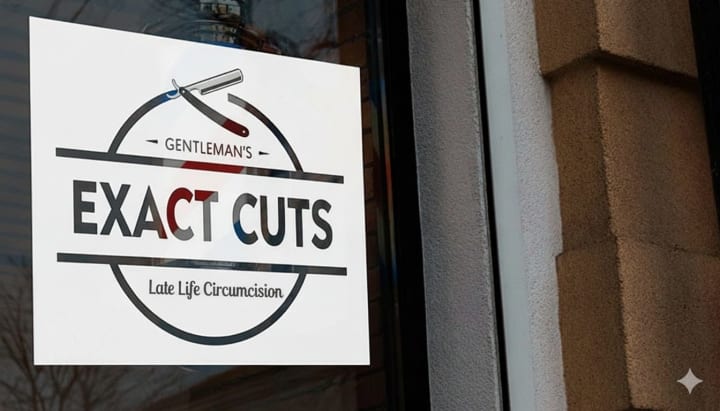
Cut lettering is a strong starting point for simple names, opening hours, phone numbers and logos with distinct shapes. The surface shows through the spaces between the letters. For photographs, gradients or a larger full-color composition, compare printed window graphics.
A readable door does not need every detail about the business. Put the name and essential hours first, keep a clear margin around handles and frames, and check the view from outside. We can use a marked photo to discuss the layout before the final dimensions are approved.
For a van, truck or car, see vehicle lettering and window decals. Vehicle curves, trim and glass make that a different application from a flat shop window. Include application or installation help in your request if you need it.
Changing the hours on the door?
Photograph the whole door and the existing lettering, then send the new hours exactly as they should appear. Tell us whether the name, logo and phone number are staying. We can review whether a focused lettering update makes sense or whether a new composition will read more clearly.
For a new logo, send the original artwork if you have it; a phone photo is still enough to begin discussing an existing sign. Request your door-lettering update and mention any removal or application help you need.
Already bought a set of vinyl letters?
Keep the lettering on its supplied backing and application tape until the installation plan is clear. Send a photo of the complete sheet, the seller’s layout and instructions, the finished dimensions and the surface where it will go. For glass, say whether the letters attach inside or outside and where the customer will read them. We can quote application of your supplied lettering and identify any missing material details before the visit.
Decide what remains visible
Characters without a surrounding field
Use this visual direction when the desired result is individual words, numbers, or simple shapes with the underlying surface visible between them.
Message created inside a larger field
Use this direction when the surrounding shape is part of the composition. Identify the field boundary and which areas should reveal the surface below.
If the request needs continuous printed color or photographic detail, review the window decal planning guide. For either path, keep dimensions and approval status with the files described in Artwork Setup.
Specs & options
Specs
- Reader task
- The name, instruction, identifier, or contact detail that matters first
- Copy
- Exact spelling, capitalization, punctuation, line order, and approved version
- Placement
- Measured usable area plus straight-on and context photographs
- Surface
- Actual substrate, finish, condition, contours, seams, and recent coatings disclosed
- Appearance
- Requested color relationship and whether a separate-letter or field-based look is intended
- Application
- Responsible installer, viewing side, access limits, and alignment references
- Construction
- Film, adhesive, finish, preparation, masking, and installation method confirmed in the quote
Options
- Prioritize one large identifier, then place secondary details in a clearly separate reading tier.
- Request a through-glass orientation when the graphic may be applied inside but read from outside.
- Ask for separate layouts when door glass, a vehicle panel, and an interior wall have different proportions.
- Compare a cut-shape approach with printed graphics when the artwork includes photographs, gradients, or intricate color changes.
- Require the estimate to state the proposed material, visible face, preparation, application format, and installation scope.
Need help preparing files? See Artwork Setup.
Good fit for
- Storefront-door names, hours, suite information, or entry instructions with an approved copy owner.
- Vehicle-door identification or service wording placed within a photographed, measured panel.
- Interior room names, directional words, or branded wall statements on a reviewed surface.
- Existing sign panels that need a lettering layout sized to the actual usable face.
- Glass displays where the buyer has decided which side receives the graphic and which direction it must read.
How it works
-
1) Survey the exact surface
Photograph the full placement straight on, note fixed edges and obstructions, record measured width and height, and describe its material and condition.
-
2) Build the reading hierarchy
Type the final wording and rank each line. State the expected reader position so the proof can favor the information that must register first.
-
3) Review placement at scale
Check the proof for spelling, line order, letter size, spacing, color relationship, orientation, margins, seams, handles, and other interruptions.
-
4) Match approval to the quote
Before release, verify the quoted film and finish, application preparation, installation responsibility, quantity, dimensions, schedule, and approved artwork revision.
FAQ
When should I choose vinyl lettering instead of a printed window decal?
Choose cut lettering for separate words, numbers and simple logo shapes with the surface visible around them. Printed graphics are worth comparing when you need photographs, gradients or a solid background. We can recommend the format after seeing the artwork.
How large should storefront vinyl letters be?
The right size depends on where customers will read them. Send a photo, the available glass width and the wording. We can help give the business name or main instruction priority and keep supporting details readable.
What should I send for a vinyl logo or custom typeface?
Send the original logo file if you have it, ideally vector artwork, and include the exact wording. We will review small details and spacing at the requested size. If you only have a screenshot, send it so we can discuss artwork preparation.
Can custom vinyl lettering go on a vehicle?
Vehicle lettering can be evaluated when the request identifies the vehicle, exact panel, graphics already present, contours, seams, handles, and required message. Supply straight-on photographs and measurements. The owner remains responsible for approving lawful placement and ensuring graphics do not obstruct required visibility or equipment.
Should storefront lettering be applied inside or outside the glass?
That decision depends on viewing direction, glass construction, tint, reflections, access, cleaning, and the quoted film. Tell Sactown Signco which face is available and where the reader stands. The proof should label orientation explicitly so the copy does not arrive reversed.
Will vinyl lettering adhere to any wall, window, or panel?
Smooth, sound surfaces are the starting point, but coatings, texture and exposure affect the film choice. Send a photo and mention recent paint, tint or existing graphics. We will review the surface before recommending the application.
Does custom cut lettering arrive on application tape?
Tell us who will apply the lettering. We can confirm the masking, piece divisions and instructions needed for the selected graphic, or include installation in the discussion.
What do you need to replace the lettering on my business door?
Send a clear photo of the door, the exact new wording and approximate available width and height. Tell us which existing graphics should stay, which should go and whether you need installation. The original logo file helps if the logo is changing, but you can start the conversation without it.
Do I need to separate the letters before installation?
Keep a supplied lettering set on its original backing and application tape, following the seller’s handling instructions. The tape helps hold the intended spacing during application. Send the complete layout and any separate pieces to the installer; avoid peeling and rearranging the letters before the mounting plan is agreed.
Compare Sign Options
Need the complete project? Explore custom sign fabrication and Sacramento sign installation.