
Dibond vs. Aluminum Signs: What to Choose
Deciding between Dibond and solid aluminum for your Sacramento storefront sign? Here’s what truly matters for durability, weight, and lasting performance.
Key takeaways
- Dibond and solid aluminum both work well outdoors, but they solve different storefront problems.
- Dibond usually wins on larger flat panels because it stays flat, stays lighter, and works well for printed or applied-face graphics.
- Solid aluminum usually wins when exposed edges, impact resistance, or smaller premium signs matter most.
- The best choice depends on panel size, finish strategy, mounting details, and how permanent the sign is meant to be.
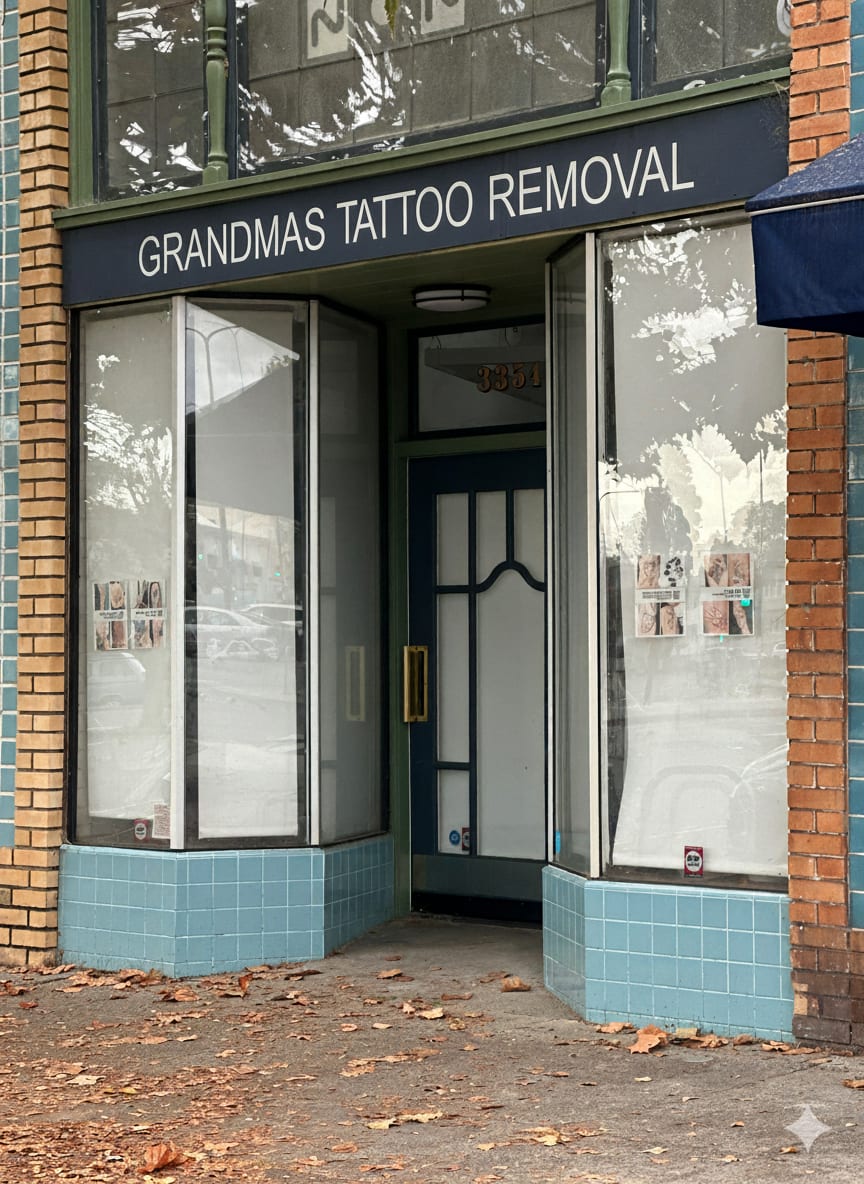
Choosing between Dibond and solid aluminum is less about which one is “better” and more about what kind of storefront sign you are building. Both are strong exterior materials. They just shine in different roles.
For Sacramento storefronts, the decision usually comes down to panel size, edge detail, finish strategy, and how much abuse the sign is likely to take once installed.
What each material is best at
Dibond is an aluminum composite panel. It is valued because it stays flat, stays light, and gives sign shops a clean rigid face for printed or applied graphics.
Solid aluminum is denser and more substantial. It is usually a better fit when the sign needs cleaner exposed edges, more impact resistance, or a more premium metal feel.
When Dibond is usually the smarter storefront choice
- larger flat wall signs
- storefront panels with applied vinyl or printed faces
- projects where keeping weight down matters
- flush-mounted panels that need to stay visually flat and clean
On many Sacramento retail-center storefronts, Dibond is a very efficient answer because it delivers a polished panel look without the weight and cost of a comparable solid-metal face.
When solid aluminum makes more sense
- smaller premium signs with visible edges
- parking, regulatory, or utility-adjacent signs that may take more abuse
- projects where finished metal edges are part of the design
- applications where a denser, heavier-duty feel matters
Solid aluminum is often the better choice when the sign itself needs to feel like a metal object, not just a clean-faced panel.
How Sacramento conditions affect the comparison
Both materials can handle Sacramento exposure well when the finish system and mounting are built correctly. In practice, the bigger risk is usually not the substrate itself. It is weak edge treatment, poor mounting, or finish decisions that do not match the location.
For example, a large panel that stays flat and light may be the biggest priority on one storefront. On another, the sign sits close to traffic or touch points and would benefit from the heavier-duty feel of solid aluminum.
Think about how the sign is built, not just what it is made from
The better material choice often becomes obvious once you ask a few practical questions:
- How large is the panel?
- Will the edges be visible?
- Is the face printed, painted, or fabricated?
- How exposed is the sign to impact, cleaning, or public contact?
- Is the job cost-sensitive or built as a longer-term premium brand asset?
Choose the material that fits the sign system
Dibond is often the stronger choice for large clean-faced storefront panels. Solid aluminum is often the stronger choice for smaller premium signs and locations where edge quality or abuse resistance matters more. Both can be right. The mistake is treating them like interchangeable materials when the finished sign system clearly favors one.
If you are comparing Dibond and aluminum for a Sacramento storefront or exterior identity sign, start your project with Sactown Signco. We can help match the substrate to the sign size, mounting details, and finish expectations before production starts.
FAQ
What is Dibond?
Dibond is a branded aluminum composite material made from thin aluminum faces bonded to a solid core. It is valued for flatness, stiffness, and lighter weight on larger sign panels.
Is Dibond or solid aluminum better for outdoor signs?
Both can perform well outdoors. Dibond is often better for larger flat storefront panels, while solid aluminum is often better for smaller premium signs, exposed edges, and impact-prone locations.
When is Dibond usually the better value?
It is often the better value on larger wall panels where weight, flatness, and production efficiency matter more than heavy-duty edge strength.
When does solid aluminum justify the extra cost?
It usually justifies the cost when the sign will have visible finished edges, take more abuse, or needs the feel of a denser premium metal sign rather than a composite panel.
Can both materials be custom-cut?
Yes. Both can be routed or cut into custom shapes, although they are typically chosen for different types of finished sign systems.