
Temporary Event Signs: Materials and Placement
Temporary signs have one job: work fast. They need to be readable immediately, easy to place, and appropriate to the duration and conditions of the event or promotion they support.
Key takeaways
- Temporary signs should be designed around quick comprehension, not long explanations.
- Material choice should match the duration, environment, and how often the sign will be handled or reused.
- The best event and promo signs usually form a simple system: attract, direct, confirm, and close the action.
- For Sacramento events and short-term campaigns, setup speed and site practicality matter just as much as print quality.
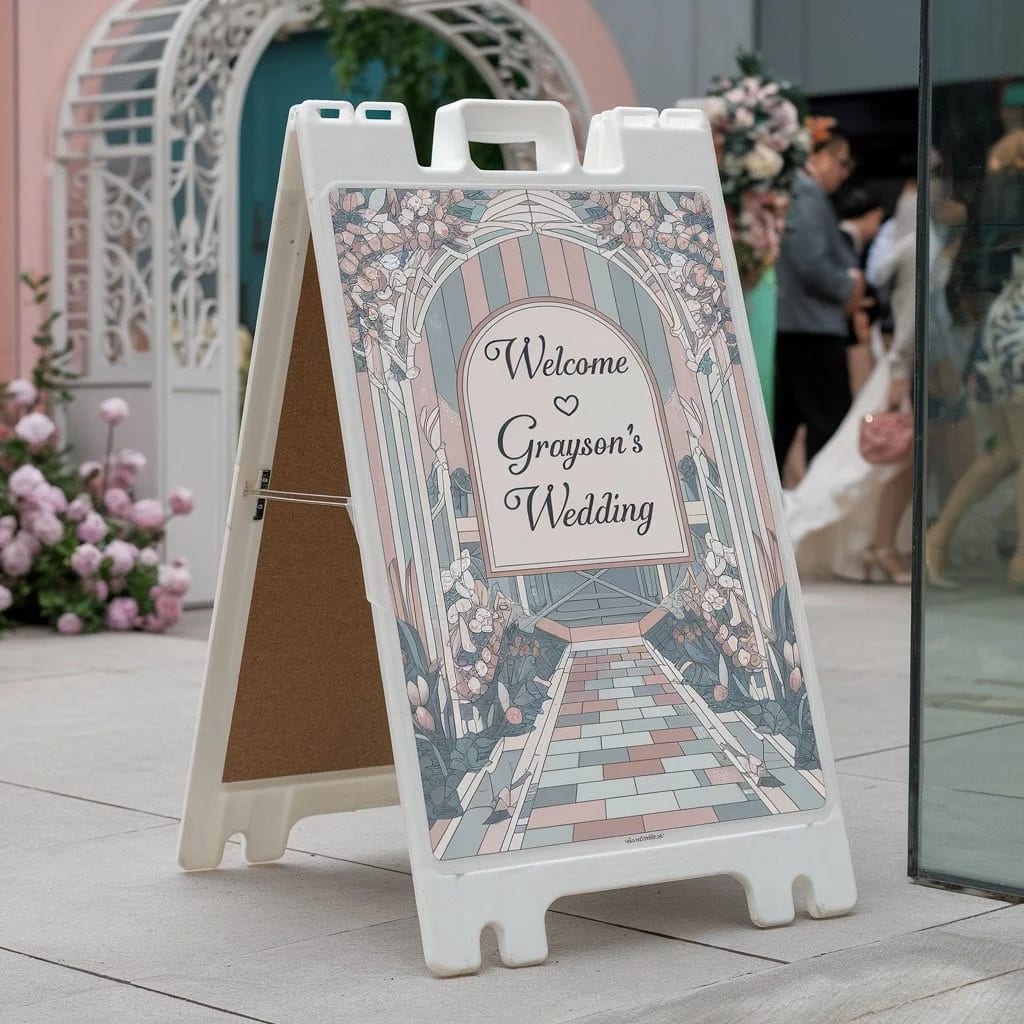
Temporary signs work under a different set of rules than permanent signs. They do not have months or years to earn attention. They have seconds. That is why the best event and promo signs are designed for instant comprehension and practical setup, not for overexplaining the offer.
For Sacramento businesses, pop-ups, markets, grand openings, and short-term campaigns, the goal is to create a sign system that gets people from noticing to acting without confusion.
Temporary signs should be built around urgency
A permanent sign can afford to be subtle because it stays there. A temporary sign usually cannot. It needs to tell people what is happening now, where to go, or why they should stop. That means the message has to be shorter, the hierarchy stronger, and the placement more strategic.
In most cases, the best temporary sign says less and says it faster.
Think in sign roles, not just sign types
Short-term event and promotional signage usually works best as a simple sequence:
- Attract: get attention from the street or walkway
- Direct: tell people where to go
- Confirm: reassure them they are in the right place
- Close: point them to the offer, registration, sale, or action
Once you think that way, the material and placement choices become much easier.
Material should match the duration and handling
A one-day indoor event does not need the same sign body as a two-week outdoor promotion on a fence line. Coroplast, promotional banners, foam board, PVC, reusable A-frames, and changeable inserts all have different strengths. The mistake is choosing only by cost without asking how the sign will be moved, stored, mounted, or reused.
Good temporary signage is often less about the cheapest substrate and more about the least wasteful fit for the actual job.
Placement matters more than overdesign
A beautifully printed temporary sign can still fail if it shows up too late in the customer journey. People need to see the sign in time to react. That means parking entries, sidewalk approaches, check-in points, and decision corners matter much more than decorative placement that happens to photograph well.
On event day, wayfinding usually matters at least as much as branding.
Sacramento conditions shape short-term signage too
Outdoor temporary signs here still have to contend with sun, wind, dust, and fast setup environments. A sign that looks fine in the file may behave badly once it is sitting in a windy parking lot, taped to a temporary surface, or facing late-afternoon glare. That is why practical material choice and support method still matter even for short-term use.
The practical standard
Temporary signs are successful when they feel immediate, readable, and easy to trust. They do not need to be overbuilt, but they should still look considered. If the signs do their job cleanly, the event or promotion feels more organized before anyone ever reaches the table or front door.
If you need temporary signs for a Sacramento event, pop-up, launch, or short-term campaign, start your project. We can help match the material, message, and setup plan to the real conditions instead of defaulting to a generic sign package.
FAQ
What materials work best for temporary signs?
That depends on the job. Coroplast, foam board, banners, PVC, and reusable frames each serve different durations and handling conditions. The right choice depends on whether the sign is indoor, outdoor, reusable, or truly one-time.
What makes a temporary sign effective?
Clear hierarchy, short messaging, appropriate placement, and a material system that matches the event. Temporary signs fail when they try to say too much or are placed where people cannot act on them quickly.
Should temporary signs still look polished?
Yes. Temporary does not mean careless. Short-term signs still reflect on the business or event, and they should look intentional even if they are only up for a few days.
How should event signage be organized?
Usually as a system: arrival signs, parking or direction signs, check-in or confirmation signs, and any call-to-action signs that help people know what to do next.