
LED Sign Lighting: Benefits and Tradeoffs
LED lighting is the default answer for most modern sign projects, but that does not mean every LED sign is automatically a good one. The real question is how the lighting system fits the site, the sign type, and the maintenance reality.
Key takeaways
- LED lighting is usually the right choice for modern signs because it is efficient, compact, and flexible across many sign types.
- The downside is not LED itself so much as bad component choices, poor service access, over-bright layouts, or cheap retrofits.
- Sacramento businesses should evaluate LED signs by total operating value, not just the initial quote.
- Warmth, nighttime readability, and maintenance access matter just as much as raw brightness.
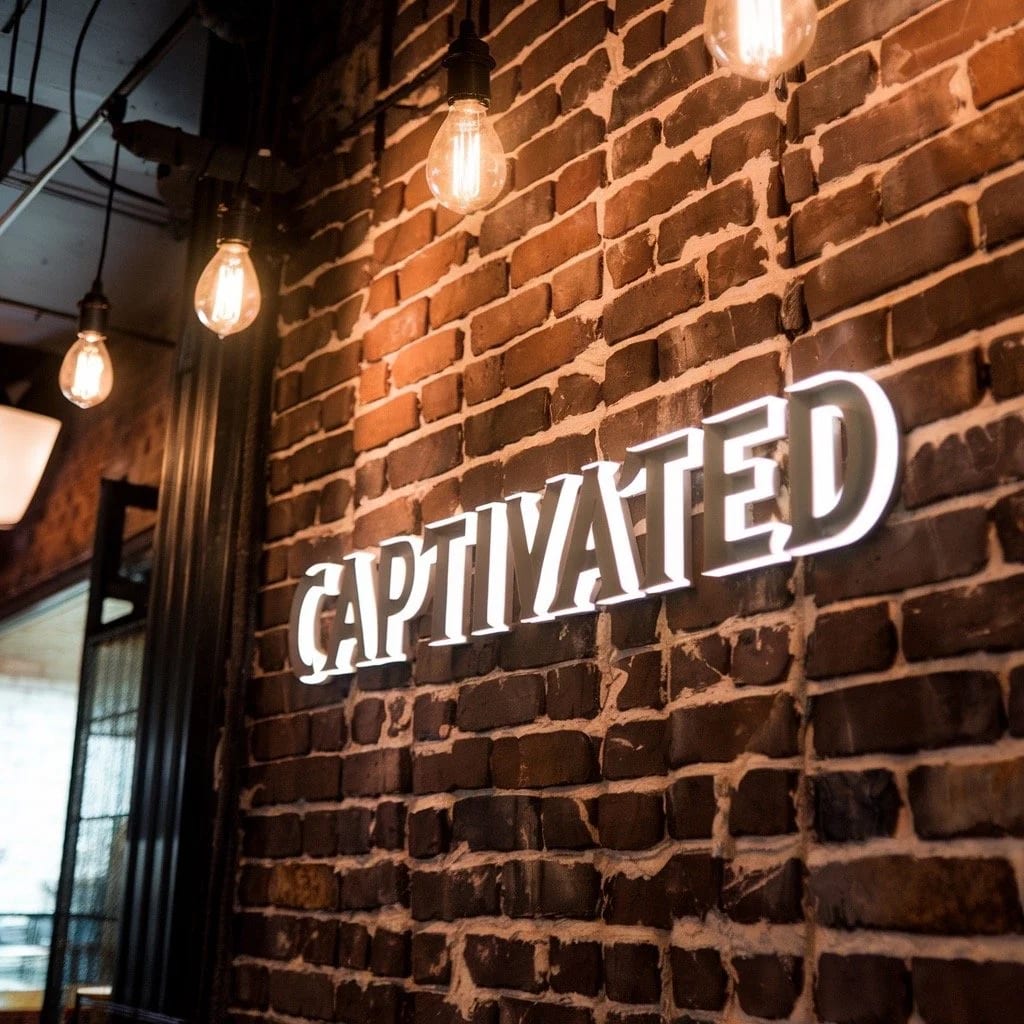
LED lighting has become the standard for most new illuminated signs, and for good reason. It works across channel letters, cabinet signs, interior halo-lit signs, and retrofit projects. But “use LED” is not really a complete decision. The better question is how the LED system is being used, how the sign will be serviced, and whether the brightness and component quality fit the site.
For Sacramento businesses, that matters because a sign does not live in showroom conditions. It has to hold up on hot facades, in bright daytime light, and under real service constraints after the install crew leaves.
Why LED became the default
LEDs won because they solve several sign problems at once. They are compact, efficient, widely available, and easier to integrate into slim sign profiles than older lighting systems. That gives designers and fabricators much more freedom, especially on modern storefronts where bulky lighting assemblies are harder to hide.
They also make practical sense for businesses that want an illuminated sign running night after night without treating lamp changes as routine maintenance.
The strongest advantages of LED sign lighting
- Lower operating cost: Good LED systems usually reduce electrical draw compared with older illuminated formats.
- Longer service intervals: Fewer relamp-style maintenance cycles than many older systems.
- Compact form factor: Better for shallow channel letters and slimmer fabricated details.
- Design flexibility: Useful for face-lit letters, halo-lit systems, cabinet retrofits, and architectural accents.
- Better control: Easier to tune for brightness, color temperature, and application-specific performance.
Where LED projects go wrong
The problem is not usually “LED versus not LED.” The problem is bad implementation. We see issues when component quality is weak, brightness is pushed without restraint, module layout is sloppy, or serviceability is ignored because the sign only has to look good on install day.
That can lead to hot spots, uneven faces, ugly nighttime glare, premature failures, or repairs that cost more than they should because the sign was never laid out sensibly.
Brightness is not the same thing as readability
Many people assume brighter automatically means better. In reality, a sign can be extremely bright and still read poorly. On Sacramento storefronts, the best result is usually balanced illumination that holds color well at night and remains comfortable to view from the actual approach distance.
That is especially important on mixed-use streets, office entries, and retail centers where a harsh sign can feel out of proportion to the site.
Retrofits can be smart, but not every old sign deserves one
LED retrofits make sense when the cabinet or structural shell is still in good shape and the business wants better efficiency without replacing the entire sign. But retrofitting a failing cabinet, tired face, or compromised electrical system can just extend the life of a weak sign body.
Before recommending a retrofit, we usually want to know whether the existing sign is worth preserving at all. Sometimes a cleaner rebuild is the better investment.
Why component quality matters more than the sales pitch
There is a big difference between a professional LED sign package and a bargain assembly built around whatever parts happened to be cheapest. The better system usually has more stable modules, more sensible power planning, better weather resistance, and a more maintainable layout.
That difference may not be obvious from the sidewalk in the first week, but it becomes obvious over time.
How Sacramento conditions shape the decision
Local conditions do not make LED a bad choice. They just make lazy LED choices more obvious. Strong summer sun affects how signs read during the day. Warm surfaces and long exposure cycles affect component stress. After-hours service windows in shopping centers and office properties make access planning more valuable than it sounds on paper.
That is why we treat LED planning as part of the overall sign system: face color, cabinet depth, module spacing, raceway layout, and service path all influence whether the sign actually performs well.
When LED is usually the right answer
For most Sacramento projects, LED is the right move when the business wants a permanent illuminated sign, reasonable operating cost, and a modern fabrication system that can be serviced without much drama.
It is especially strong for channel letters, cabinet upgrades, office branding with halo light, and storefront signs that need reliable nightly operation.
The better way to evaluate an LED sign
Instead of asking only “How much does it cost?” ask:
- Is the brightness appropriate for the site?
- Will the face illuminate evenly?
- Are the components serviceable?
- Is this a quality retrofit or just a quick conversion?
- Does the sign still make sense on the building in daylight?
Those are the questions that usually separate a solid illuminated sign from one that looks fine briefly and becomes frustrating later.
If you are planning a new illuminated sign or considering an LED retrofit, start your project. We can help sort through the lighting strategy, sign type, and installation details so the finished sign works in real Sacramento conditions, not just in the sales conversation.
FAQ
Are LED signs usually better than fluorescent or older illuminated systems?
In most cases, yes. LEDs are more efficient, take up less space, and generally require less maintenance over time. The bigger question is whether the sign is being built with quality components and a layout that matches the site.
What is the main downside of LED sign lighting?
The biggest downside is that poor-quality LED systems can still look harsh, fail early, or become difficult to service. A cheap lighting package can erase much of the benefit people expect from LEDs.
Can an older illuminated sign be retrofitted to LED?
Often, yes. Many existing cabinet signs and some older illuminated systems can be converted, but the right answer depends on the cabinet condition, wiring, face quality, and whether the original structure is worth keeping.
Do LED signs need to be extremely bright to work well?
No. A sign needs balanced, readable illumination. Overly bright signs can feel harsh, create glare, or read poorly in mixed-use settings. Good lighting is about control, not maximum output.
Why does service access matter so much on LED signs?
Because even good components eventually need maintenance. If drivers, modules, or wiring are hard to reach, a small future repair becomes slower and more expensive than it should be.