
Choosing Fonts for Painted Signs
A good sign font is not just on-brand. It has to read at the right distance, on the right surface, and in the right kind of commercial setting. That is especially true for Sacramento storefronts that get seen from sidewalks, parking lots, and arterial streets.
Key takeaways
- Font selection should start with viewing conditions, not aesthetics alone.
- Sacramento storefronts often need different typography strategies for walk-up zones, parking-lot approaches, and faster street reads.
- Scripts and decorative fonts can work, but usually as accents rather than primary identification.
- A strong font choice balances brand personality, legibility, spacing, and the sign method being used.
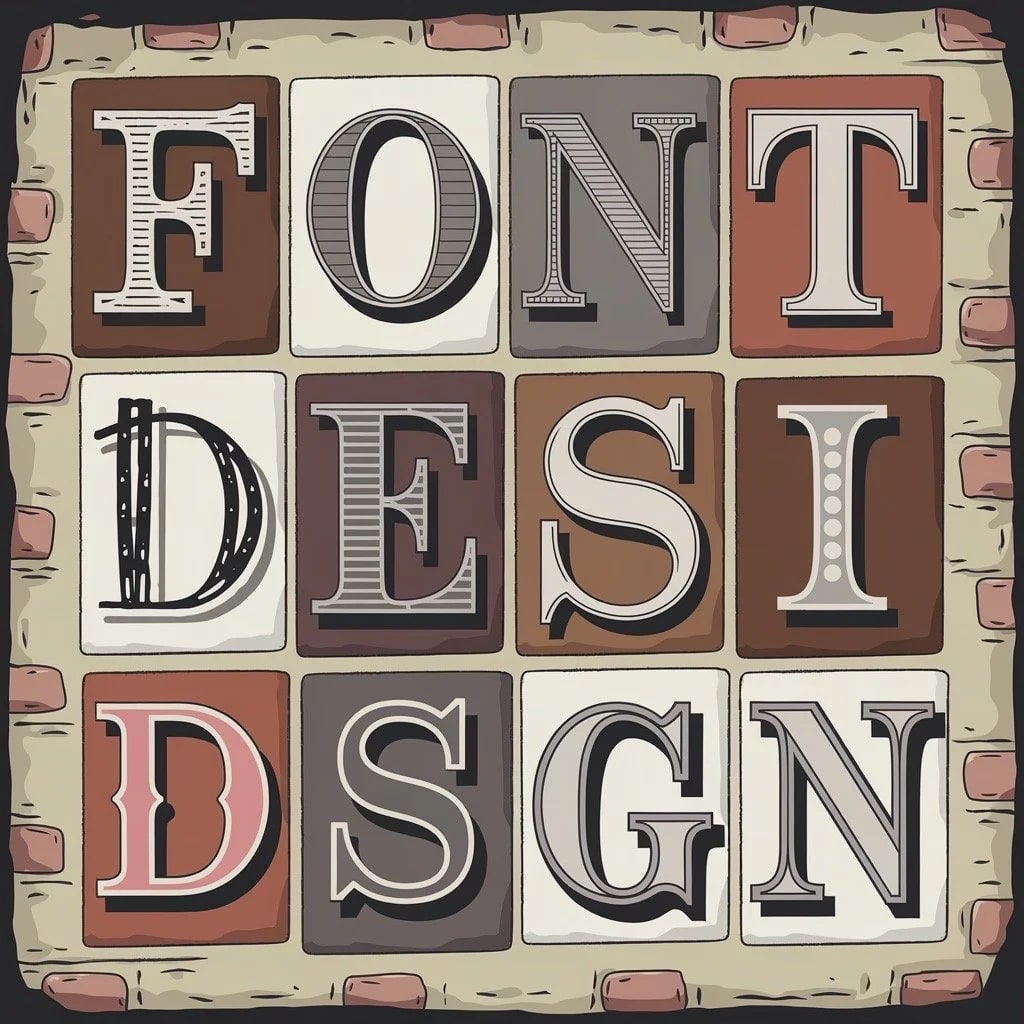
Font selection matters because signs do not get read like websites or brochures. A storefront sign may be seen for two seconds from a parking lot, a blade sign from the side while walking, and a lobby logo from a few feet away. The right font depends on that viewing situation as much as it depends on brand style.
For Sacramento-area sign painting, typography has to survive real conditions: bright sun, distance, fast approaches, reflective glass, and the physical realities of painting or fabricating the letterforms cleanly.
Start with how the sign will be seen
Before choosing a font, figure out how the customer encounters the sign.
- Walk-up storefronts: Can support a little more character and finer detail
- Parking-lot approaches: Need stronger weights and cleaner silhouettes
- Arterial or drive-by reads: Need immediate recognition and less decorative complexity
- Interior brand walls: Can lean more expressive because viewers are closer
A typeface that looks great in a proof can still fail if the building, distance, or speed of approach are wrong for it.
What kinds of fonts work best on commercial signs?
There is no single perfect category, but some patterns are consistent.
Sans-serif fonts
These are often the safest choice for Sacramento storefronts because they stay readable under varied lighting and at multiple distances. They are especially strong for retail centers, office suites, and service businesses that need a clear, confident read.
Serif fonts
Good serifs can work well when the brand wants a little more tradition or refinement. They tend to require more care with weight, spacing, and scale so the details do not disappear once the sign is installed.
Script and decorative fonts
These can be powerful accent tools, but they usually perform best when limited to secondary words, taglines, or focal elements. On a main business name, they can quickly become illegible from even moderate distances.
Why sign painting changes the font decision
A font that works digitally is not always the best font to paint. Hand-painted signs reward letterforms with clearer stroke logic, stronger rhythm, and fewer tiny details that become fragile or fussy in execution.
That does not mean painted signs must be plain. It means the font has to make sense as a physical mark, not just as a screen preview.
How should brand personality influence the choice?
Typography still shapes expectation. A cleaner sans-serif can feel contemporary and direct. A well-chosen serif can feel established and premium. A script can add warmth or elegance. The key is choosing a font that supports the brand without weakening readability.
For example, a neighborhood cafe may benefit from a little softness and character, while a medical office in a suburban retail center may need something calmer and more immediately legible.
What mistakes show up most often?
- Overvaluing style over distance: the font looks good up close but collapses from the parking lot
- Using multiple decorative fonts: the sign starts to feel confused instead of branded
- Ignoring the surface: reflective glass, rough walls, or narrow sign bands can punish fragile type choices
- Choosing a font that fights the sign method: especially on painted or fabricated lettering
A better font choice makes the whole sign feel more professional
Customers may never say “great typography,” but they notice when a sign feels clean, balanced, and easy to understand. That is the real value of smart font selection. It improves recognition, credibility, and how intentional the storefront feels.
If you are choosing typography for a Sacramento storefront, painted panel, or interior brand wall, start your project. We can help match the font to the site, the viewing distance, and the actual sign method instead of choosing off aesthetics alone.
FAQ
What fonts work best for storefront signs?
Simple, well-proportioned sans-serif and certain clean serif fonts usually perform best because they stay readable from multiple distances. The exact choice depends on whether the sign is viewed mostly on foot or from a parking approach.
Can script fonts work on a business sign?
Yes, but usually as an accent or supporting element. Full business names in script can become hard to read quickly, especially on storefronts seen by drivers or customers approaching from across a lot.
How do I choose the right font size?
Size should follow viewing distance and speed. A font that feels elegant on a proof may be too delicate once it is mounted above a storefront or read from a driveway entrance.
Should painted signs use different fonts than printed signs?
Sometimes. Painted signs often reward letterforms with better rhythm, clearer stroke logic, and fewer tiny details that are hard to execute cleanly by hand.