
Adhesives for Acrylic Sign Letters
The right adhesive depends on what the acrylic letters are bonding to. Acrylic-to-acrylic joints, wall-mounted letters, and exterior logo installs are different problems, and they should not all be solved with the same glue.
Key takeaways
- Acrylic-to-acrylic bonding is a different decision from mounting acrylic letters to painted walls or metal panels.
- Many letter installs rely on a combination of placement tape, template work, and the right adhesive system rather than on glue alone.
- Super glue is rarely the right permanent solution for sign letters.
- Exterior acrylic letter installs need more caution because sun, wall texture, and movement can overwhelm the wrong adhesive choice.
- The substrate behind the letters matters just as much as the acrylic itself.
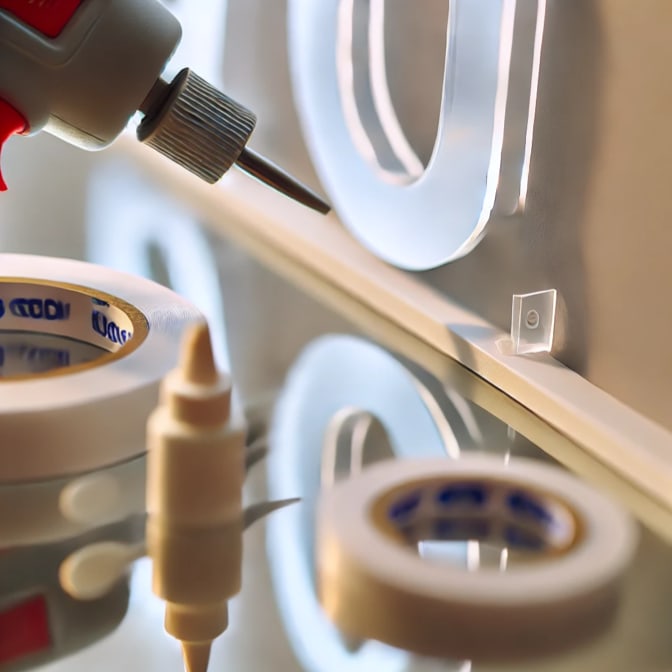
The phrase “best glue for acrylic letters” sounds simple, but it actually covers several different problems. Bonding acrylic to acrylic is one problem. Mounting acrylic letters to a painted wall is another. Installing exterior acrylic letters on a textured facade is something else again. Good results come from matching the adhesive system to the actual substrate and environment.
Start by asking what the letters are attaching to
If the letters are bonding to another acrylic component, one kind of system may make sense. If they are going onto painted drywall, metal, or a finished panel, the logic changes. Many failed letter installs happen because the adhesive was chosen for the letter material alone and not for the wall or backer it had to bond to.
Not every acrylic-letter install is truly “glue only”
In professional sign work, placement templates, tape assists, temporary holding methods, and carefully matched adhesives often work together. That is one reason the best installs look simple from the front. The alignment and bonding plan were solved before the letters touched the wall.
Where different adhesive systems make sense
Solvent systems are typically associated with acrylic-to-acrylic bonding where a clean, integrated joint matters.
Tape-and-adhesive combinations are often more useful for wall-mounted letters because they help with placement and initial hold.
Flexible or more forgiving adhesive systems may be needed when the substrate and environment are less controlled, though even then the wall and exposure have to justify the choice.
Super glue is usually the wrong answer for permanent sign letters, no matter how convenient it feels in the moment.
Why exterior installs need more caution
Exterior letter installs in Sacramento deal with heat, sun, wall texture, and long-term movement. Those conditions are much less forgiving than interior lobby walls. That is why some exterior acrylic-letter projects are better served by a backer panel, a mechanical component, or a more conservative mounting strategy than glue alone.
Clean placement is half the battle
Even the right adhesive will look amateur if the letters are misaligned or if squeeze-out, residue, or haze damages the finish. Templates, clean surfaces, and a deliberate placement sequence matter just as much as the chemistry.
Choose the adhesive system for the whole assembly
The best adhesive is the one that makes sense for the acrylic, the substrate, the environment, and the permanence of the sign. That usually means thinking about the full assembly instead of shopping for one magic glue product.
If you are planning acrylic dimensional lettering for a Sacramento office, storefront, or branded interior, start your project. We can help determine whether the right answer is solvent bonding, tape-assisted mounting, a backer panel, or a more durable hardware-supported system.
FAQ
What is the best glue for mounting acrylic sign letters?
There is not one universal best glue. The right choice depends on whether the letters are bonding to acrylic, a painted wall, metal, or another substrate, and whether the install is interior or exterior.
Can I use super glue on acrylic sign letters?
It is usually a poor permanent choice. Super glue can leave visible residue and creates a more brittle bond than most professional sign-letter systems call for.
How long should I wait before handling glued acrylic letters?
That depends on the adhesive system. The important part is respecting full cure time before the letters are stressed, cleaned, or exposed to heat and movement.
Is it safe to use solvent-based adhesives indoors?
Some solvent systems require strong ventilation and careful handling. Indoor use should follow the product requirements and the realities of the work environment.
What adhesive works best for outdoor acrylic signs?
Exterior installs often need a more conservative approach because heat, wall texture, and movement all affect bond performance. Many exterior letter systems rely on carefully matched adhesives, placement aids, or mechanical support rather than on one generic glue choice.