
Painting ACM Panels: Surface Preparation
ACM panels only hold paint well when the prep is disciplined. On Sacramento jobs, the biggest risks are contamination, rushed sanding, incompatible primers, and field conditions that work against adhesion.
Key takeaways
- Good paint adhesion on ACM starts with contamination control, not just with primer choice.
- The coated face should be cleaned and scuffed carefully without damaging the surface the finish depends on.
- ACM prep is easier to control in the shop than in a dusty parking lot or exposed field setting.
- Primer and topcoat compatibility matter as much as sanding technique when long-term durability is the goal.
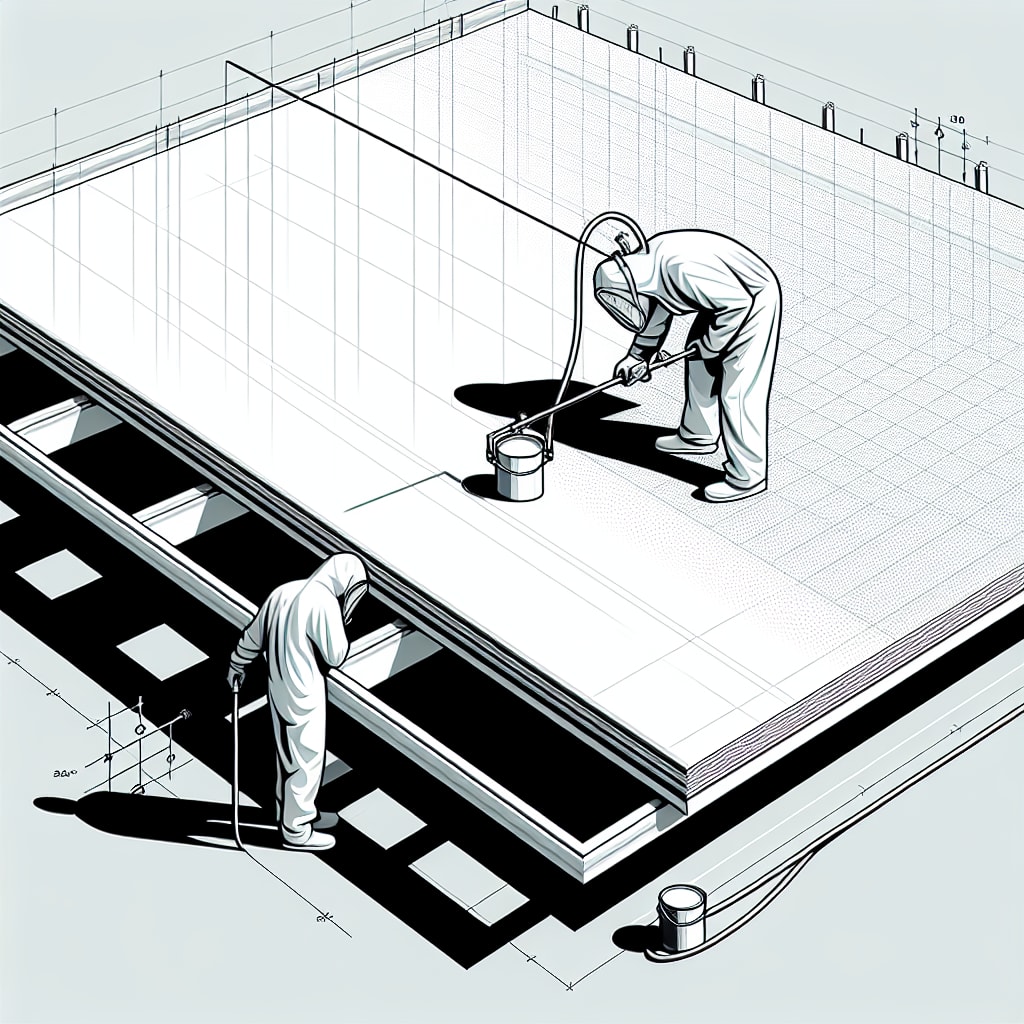
ACM panels can produce very clean painted sign faces, but only if the prep work is disciplined. Most paint failures on ACM do not happen because the panel is inherently wrong. They happen because the surface was contaminated, scuffed poorly, primed with the wrong system, or painted under field conditions that were never controlled well enough for lasting adhesion.
That matters on Sacramento jobs because dust, heat, and moisture swings can turn a rushed prep process into a peeling finish faster than most owners expect.
Why prep matters so much on ACM
ACM is a finished panel product, not raw material waiting for abuse. The face needs to be prepared in a way that promotes adhesion without damaging the surface that makes the panel useful in the first place. That means careful cleaning, controlled scuffing where appropriate, and a primer system that actually belongs with the intended topcoat.
Where paint adhesion usually goes wrong
- protective film is removed carelessly and static attracts dust
- cleaners leave residue behind
- the face is sanded too aggressively or inconsistently
- the wrong primer is paired with the panel or topcoat
- painting happens in uncontrolled field conditions instead of in the shop
Any one of those can weaken the finish before the sign ever goes up.
Why shop prep usually beats field prep
ACM paint work is easier to control in the shop. Clean air, stable temperatures, and a more predictable workflow make it easier to keep dust, moisture, and handling contamination away from the panel face.
By contrast, prepping or painting panels in a windy parking lot, on a dusty loading zone, or after the panel has been handled repeatedly in the field is asking the coating system to overcome problems it never should have been given.
What a good prep workflow focuses on
A reliable ACM prep routine usually centers on four things:
- cleanliness: remove oils, dust, and residue completely
- controlled surface profiling: give the coating system the right surface to bond to without overworking it
- coating compatibility: use primer and topcoat systems that are designed to work together
- environmental control: avoid prep or coating conditions that introduce condensation, debris, or excessive surface heat
How Sacramento conditions affect ACM paint prep
Local conditions can work against adhesion in subtle ways. Morning moisture, hot panel temperatures, dusty sites, and big temperature changes between storage, prep, and install can all interfere with how a coating system bonds and cures. That is one reason Sacramento sign shops often try to complete as much panel finishing as possible before the material ever reaches the site.
Primer choice is not an afterthought
Even excellent cleaning and sanding cannot rescue a mismatched coating system. Primer and topcoat compatibility should be treated as part of the specification, not as a guess made after prep is done. If the finish system is wrong for the panel face or the end use, adhesion problems can show up long after the job looks complete.
Paint adhesion is a systems problem
Owners sometimes hear “surface prep” and think only about sanding. On ACM, adhesion is really a systems issue: the panel face, the cleaning method, the prep profile, the primer, the topcoat, and the conditions during application all have to work together.
If one of those steps is weak, the coating becomes the weak link on an otherwise good sign.
Build the panel finish to survive real use
Painted ACM can be an excellent choice for Sacramento sign work when it is handled correctly. The smartest move is to treat the finish like part of the engineered sign system, not like a cosmetic layer that can be rushed at the end.
If you are planning a painted ACM sign face or custom panel system, contact Sactown Signco. We can help determine the right prep and finish approach before production begins so the panel performs the way it should once it is installed.
FAQ
What is the biggest reason paint fails on ACM panels?
Usually poor prep. Contamination, rushed sanding, incompatible primers, or trying to paint in uncontrolled field conditions can all undermine adhesion.
Do ACM panels need to be sanded before painting?
They often need a controlled light scuff so the coating system can bond properly, but the prep has to be appropriate to the panel face and finish system. Over-sanding can create its own problems.
Is ACM better prepped in the shop or on site?
Shop prep is usually safer because dust, temperature, moisture, and handling are easier to control. Field conditions can work against a clean paint process quickly.
Does primer choice matter on ACM?
Yes. The primer and topcoat need to be compatible with the panel face and with each other. A strong prep routine can still fail if the coating system is mismatched.
What local conditions affect paint adhesion in Sacramento?
Dust, surface heat, morning moisture, and wide temperature swings between storage and installation can all affect how well a coating bonds and cures.