
Etched Glass Signs vs. Frosted Window Film
When people say they want etched glass signage, they may mean several different things. The right answer depends on permanence, privacy, finish quality, budget, and how the glass is being used in the Sacramento space.
Key takeaways
- Many “etched glass” sign projects are really decisions between true etching and high-quality frosted film.
- The best use cases are office entries, conference-room glazing, clinic privacy bands, lobby branding, and refined storefront graphics.
- Permanence, serviceability, and tenant turnover all matter when choosing between etched glass and applied film.
- A glass graphic should improve privacy and branding without making the space feel visually heavy or overdesigned.
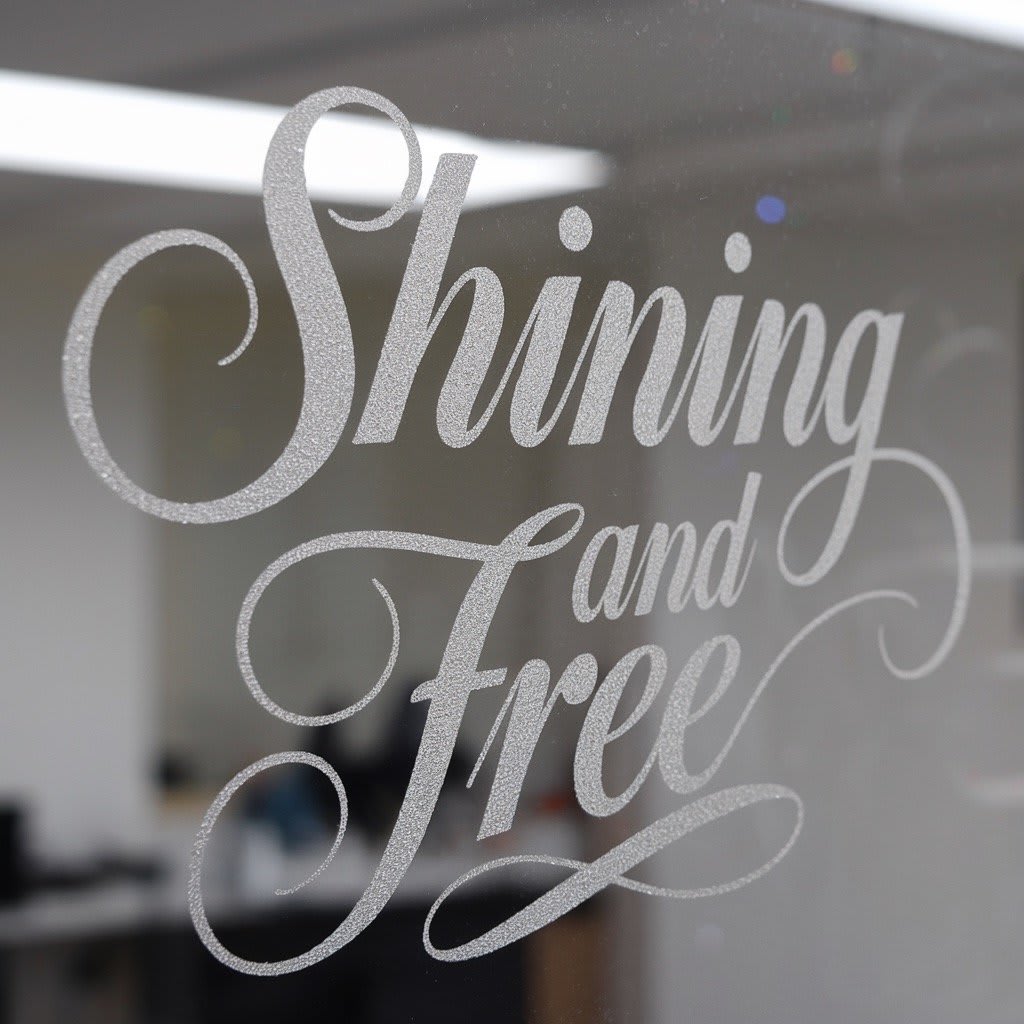
“Etched glass” is one of those phrases that sounds more specific than it really is. In practice, businesses usually mean one of two things: they want the look of frosted or etched glass, or they want a truly permanent etched-glass treatment. Those are not the same decision.
For Sacramento offices, clinics, lobbies, and storefronts, the right answer depends on how permanent the branding should be, how much privacy the space needs, and whether the glass belongs to a long-term owner or a tenant who may need a future change.
Why etched-glass signage is so popular
Glass branding feels refined because it does not shout. A frosted or etched logo on an entry door, conference-room wall, or interior partition can define a space without blocking light or turning the glass into a billboard. That balance is exactly why the style works so well in professional interiors.
It is especially useful when the goal is subtle branding, privacy, or visual separation instead of maximum street-side impact.
True etching versus etched-look film
True etching permanently changes the surface of the glass. It can be beautiful, but it is not flexible. If the business moves, rebrands, or wants the design removed, the glass itself has been altered.
Frosted or etched-look film creates a similar effect with a removable graphic system. For many commercial spaces, that is the smarter choice because it preserves flexibility while still delivering the look people actually want.
Where this style works best in Sacramento spaces
Etched or frosted glass treatments are especially strong in:
- Office entries where branding should feel clean and restrained
- Conference rooms that need partial privacy without losing light
- Clinics and wellness spaces where discretion matters
- Lobby partitions and reception areas that need subtle identity
- Selective storefront applications where the business wants a refined glass treatment rather than a loud window wrap
These are environments where the material can add sophistication instead of just adding coverage.
Privacy should be intentional, not accidental
One of the biggest reasons businesses ask for etched-glass graphics is privacy. But privacy needs vary. Some spaces need a full visual screen at eye level. Others only need a partial band. Some need branding and privacy to happen together.
The mistake is treating all privacy film as interchangeable. A conference room, a clinic consult room, and an office entry each need a different balance of openness and screening.
Permanence is a business decision, not just a design choice
If you own the building and expect the feature to stay for a long time, a more permanent approach may make sense. If the business is a tenant, the space may evolve, or the branding may be updated, a removable film system is often the better answer. That is not a compromise. It is a smarter fit for commercial reality.
We try to make that call early so the project is aligned with how the space will actually be used.
Why restrained design usually works best
Glass graphics get heavy-looking fast if the opacity, scale, or pattern is overdone. The best etched-look signs usually use open space well. The logo sits where it should. The privacy band lands at the correct sightline. The frosted area supports the space instead of swallowing the whole pane.
That is part of why good glass branding feels expensive even when the actual material is simple.
How Sacramento interiors affect the decision
Strong daylight, reflective glazing, and modern tenant-improvement spaces make subtle glass graphics especially effective here. They can control privacy and reinforce branding without darkening the room or fighting the architecture. In medical, office, and professional-service settings, that restraint often looks more credible than a louder wall sign would.
But it still has to be planned around cleaning access, tenant turnover, door hardware, and how people actually move through the space.
The practical standard
Good etched or frosted glass signage should feel integrated with the room. It should solve a privacy or branding problem cleanly and still let the architecture breathe. Whether that means true etching or a film-based approach depends on permanence, budget, and flexibility.
If you are planning branded glass for a Sacramento office, clinic, or storefront, start your project. We can help decide whether true etched glass, frosted film, or another solution makes the most sense for the space and handle the installation cleanly.
FAQ
What is the difference between true etched glass and frosted film?
True etching permanently alters the glass surface, while frosted film creates a similar visual effect with an applied material. The look can be similar, but permanence, cost, and flexibility are very different.
When is frosted film the better choice?
Frosted film is often the better choice when a tenant may move, the design may change, the budget needs more flexibility, or the project requires privacy without permanently altering the glass.
Where does etched or frosted glass signage work best?
It works especially well on office entries, conference rooms, clinics, lobby partitions, and storefront areas that benefit from subtle branding or privacy rather than loud graphics.
Can etched-look graphics still feel premium?
Yes. A well-designed frosted-film install can look very polished and professional, especially when the scale, opacity, and spacing are handled carefully.
Is true etching always worth it for business signage?
No. It makes sense for certain permanent architectural applications, but many commercial spaces are better served by film because it is easier to update and less risky if tenant needs change.