
LED Module Spacing for Channel Letters
LED module spacing is not a one-number formula. Good channel-letter lighting comes from balancing depth, face material, stroke width, brightness target, and serviceability for the actual Sacramento site.
Key takeaways
- LED spacing should be set by the letter build, not copied from one prior job to the next.
- Depth, stroke width, face color, and return finish all affect whether a letter glows evenly or shows hot spots.
- Shallow letters usually need different module choices and tighter layout discipline than deeper letters.
- A good lighting layout also plans for maintenance, heat management, and clean service access inside the letter set.
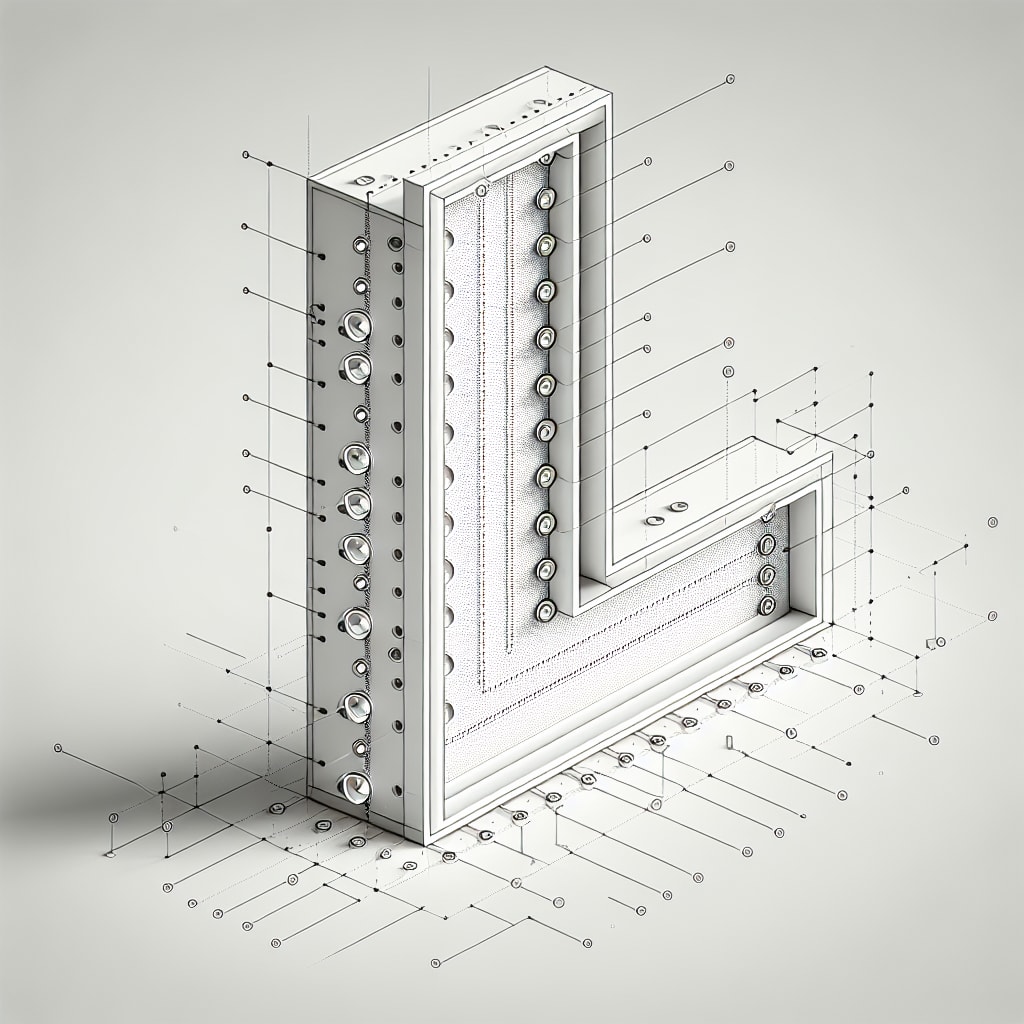
Even illumination is one of the fastest ways to tell whether a channel-letter job was built carefully. When the spacing is right, the face glows cleanly and the sign feels polished from the street. When it is wrong, customers may not know why the sign looks off, but they notice the dark bands, bright dots, or patchy letters immediately.
That is why LED module spacing deserves more attention than a simple rule-of-thumb chart. For Sacramento storefront signs, the right layout depends on what the letters are made from, how deep they are, how they will be viewed, and how much brightness the site actually needs.
Why spacing is about light blending, not just module count
Inside a channel letter, the goal is to give light enough space to spread before it reaches the face. If modules are too close together or too close to the face, individual points can telegraph through. If they are too far apart, the letter can look striped or dim in certain sections.
Spacing is really a balancing act between output and diffusion. It is not just about fitting enough LEDs to make the sign bright.
What actually changes the spacing plan?
These are the variables we care about first:
- Letter depth: Deeper letters give the light more room to blend before it reaches the face.
- Stroke width: Wide letters and wide strokes often need a different module pattern than narrow returns.
- Face material and color: White faces are usually more forgiving than darker or more saturated translucent faces.
- Return color: A reflective white interior helps distribute light better than a darker interior build.
- Viewing distance: A sign viewed from across a parking field behaves differently than one seen up close from a sidewalk.
Useful starting ranges, not rigid rules
As a starting point, many standard channel letters fall into familiar spacing ranges. Deeper letters can usually tolerate wider spacing, while shallow letters typically need tighter placement and more careful module selection.
Those ranges are helpful, but they are not final answers. Two signs with the same depth may still need different layouts if one uses a white face and the other uses a darker translucent face, or if one letterset has narrow strokes while the other includes broad rounded shapes.
Why shallow letters are where mistakes show up fastest
Shallow channel letters are common on storefronts that want a slimmer profile or have tight sign-band constraints. They are also the easiest place to create visible hot spots. There is simply less room inside the letter for the light to mix.
On those jobs, we care a lot more about module profile, beam spread, and exact placement. It is not enough to copy the spacing from a deeper letter job and hope the face material hides it.
Face color changes the lighting strategy
A white face generally gives you the widest margin for even illumination. Colored or darker faces absorb more light, which can push the layout toward tighter spacing, different module output, or a different letter build altogether.
This is one reason branded illuminated signs should be planned around the actual color target early. If the color is treated like a late cosmetic decision, the lighting plan can end up fighting the face instead of working with it.
Serviceability matters as much as brightness
A well-lit sign is still poorly built if it is miserable to service. Module layout should leave a clean internal path for wiring, allow sensible access for future repairs, and avoid cramming components together so tightly that one failed part turns into a bigger service problem.
That is especially important on Sacramento storefronts where service calls may need to happen after hours, from a lift, or under landlord access restrictions. Good layout saves real time later.
How Sacramento conditions affect illuminated-letter decisions
Bright sun, warm facades, and long summer exposure all affect how a sign is perceived. A layout that looks acceptable in a dark shop can behave differently once the sign is mounted on a bright exterior in full daylight and then read again at night.
That is why we prefer test illumination before final closure whenever possible. It is the best way to catch brightness imbalance, hot spots, and face issues before the letters are fully finished and installed.
What a professional spacing process looks like
- Review the letter style: Depth, stroke width, and return finish come first.
- Match module type to the build: Especially important for shallow or unusually shaped letters.
- Lay out for both illumination and service access: Not just raw brightness.
- Test before final assembly: Catch hot spots and dark areas early.
- Adjust for the real site: Storefront environment, viewing distance, and expected nighttime reading conditions all matter.
If you are planning illuminated letters for a Sacramento storefront, office, or retail center, start your project. We can help sort out the letter build, lighting layout, and installation details before uneven illumination becomes a problem you are paying to fix later.
FAQ
What controls LED spacing inside a channel letter?
The main factors are letter depth, stroke width, face material, face color, and the beam pattern of the modules. Wider strokes or less-translucent faces often need a different layout than narrow white-faced letters.
Why do channel letters show hot spots?
Hot spots usually show up when the modules are too close to the face, too bright for the build, or spaced in a pattern that does not let the light blend before it reaches the acrylic. Poor return color and shallow depths can make the problem worse.
Do shallow channel letters require special planning?
Yes. Shallow letters leave less room for light to spread, so module choice, spacing, and internal finish matter more. These are the letters most likely to show uneven lighting if the layout is treated casually.
Is one LED spacing rule good for every sign?
No. There are useful starting ranges, but professional layouts still need to be adjusted to the specific letter style, material stack, and brightness goal of the project.