
Distressed Paint Techniques for Vintage Signs
A vintage finish should feel earned, not fake. Here is how Sacramento sign painters approach distressed paint so a storefront or interior sign looks believable on the building where it will actually live.
Key takeaways
- Convincing distressed signs start with believable wear logic, not random sanding.
- The substrate and paint system still need to function like a real commercial sign even if the finish is meant to look aged.
- Vintage-style distressing works best for hospitality, neighborhood retail, and other brands that benefit from warmth and character.
- Sacramento exposure still matters, so the finish has to survive sun, cleaning, and moisture at edges or mounting points.
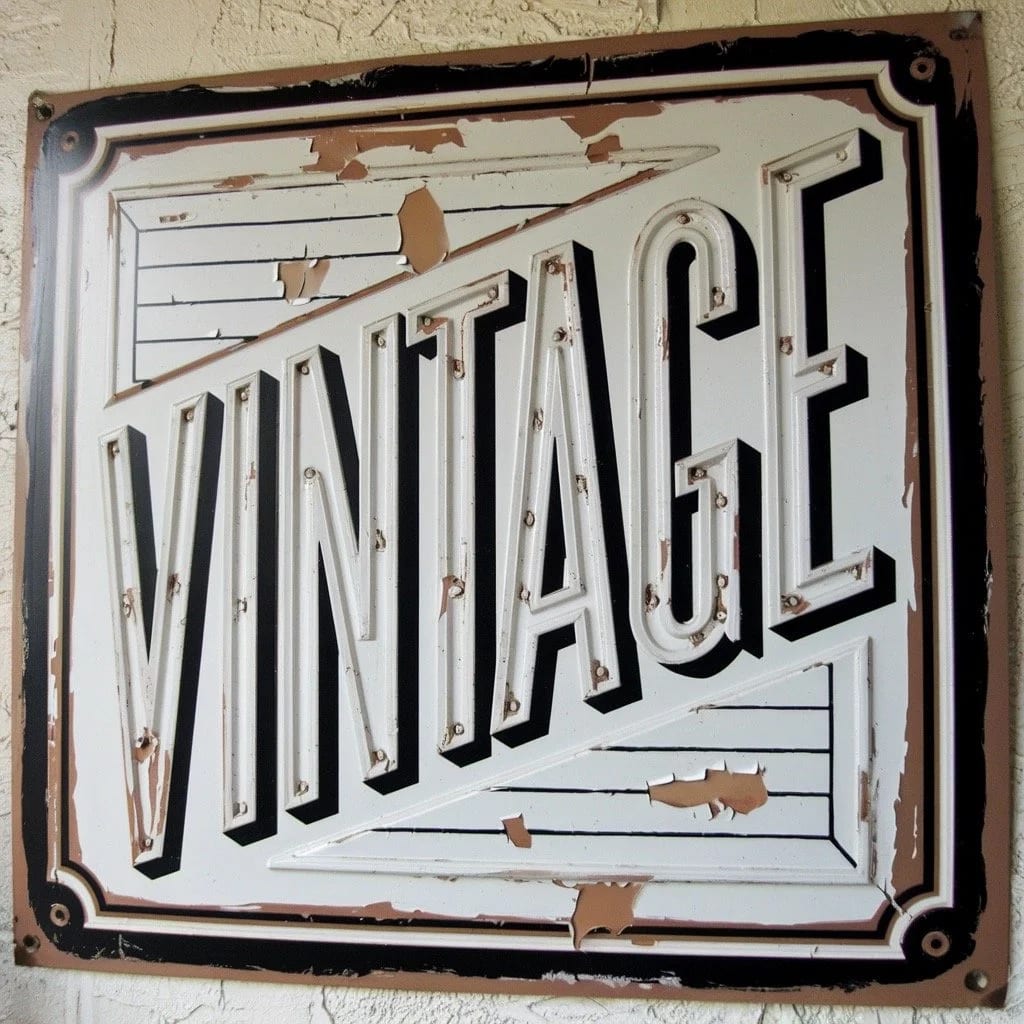
Creating a vintage look with distressed paint is less about making something look old and more about making it look believable. A good distressed sign feels like it belongs to the storefront, the brand, and the building. A bad one looks like a new sign that was attacked with sandpaper.
For Sacramento-area businesses, distressed finishes work best when they add warmth and character without turning the storefront into a themed set piece.
When does a distressed finish make sense?
Distressed paint usually works best for businesses that want a little softness, history, or handmade character in the brand expression. Cafes, bottle shops, salons, boutiques, hospitality concepts, and specialty retail often benefit most.
It is usually a weaker fit for sleek office suites, polished medical spaces, or any site where the property already leans heavily modern and minimal.
What makes a distressed sign feel authentic?
Real wear does not happen evenly. It collects where the sign gets touched, bumped, washed, exposed, or rubbed by weather. The best distressed work follows that logic.
- Edges and corners usually wear first
- Bottom rails and lower surfaces catch more dirt and moisture
- Raised details and corners lose finish faster
- Areas around hardware or seams often show age sooner
That is why restraint matters. A little believable wear is stronger than full-panel damage that looks staged.
Which paint systems work best for this look?
There is no single mandatory paint family, but the system should support both the visual effect and the real use of the sign.
- Matte or lower-sheen systems tend to support aged finishes well
- Layered color systems help create depth when edges are sanded back
- Durable primers and topcoats still matter if the sign is going outdoors
A distressed sign is still a commercial sign. It needs real adhesion, real substrate prep, and a finish schedule that can survive Sacramento conditions.
What distressing techniques translate best to signage?
Selective sanding
Still the most reliable method. Sanding back edges, corners, and isolated high points creates believable wear with good control.
Layered color reveal
Using a base color and a top color gives the sign more visual depth once distressing begins. This can work well when you want muted vintage contrast without obvious gimmicks.
Wax or resist methods
These help create planned wear areas before the top coat goes on. The result is cleaner and more intentional than trying to force all the age after the fact.
Soft dry brushing
Good for creating faded backgrounds, gentle sun-bleach effects, and signs that should look worn rather than damaged.
How should Sacramento conditions influence the finish?
A distressed sign still has to live on a real building. That means:
- Strong sun can accelerate the fade beyond the intended look
- Winter dampness and irrigation can turn controlled distressing into real failure if the sign is undersealed
- Dust and regular cleaning can wear fragile finishes faster than expected
The more exposed the site, the more important it is to separate “aged look” from “underbuilt sign.”
What mistakes make distressed signs look fake?
- Uniform distressing: real wear is uneven
- Over-distressing: too much damage overwhelms the design
- Ignoring typography: the lettering style has to support the vintage story too
- Using the wrong building context: a heavily distressed sign can look forced on the wrong facade
Use the finish to support the storefront, not overpower it
The best distressed sign is still easy to read, still appropriate for the site, and still professionally built. The vintage effect should make the storefront feel more distinctive, not less credible.
If you are considering a distressed painted sign for a Sacramento, Roseville, or Folsom storefront, start your project. We can help decide whether the building, brand, and exposure actually support a vintage-style finish.
FAQ
How do you make a distressed sign look authentic?
Focus on where wear would actually happen: edges, corners, bottom rails, around fasteners, and high-touch areas. The less uniform the distressing, the more believable the sign usually feels.
What surfaces work best for distressed sign finishes?
Prepared wood, MDO, and certain painted panels usually give the best control. The ideal surface depends on whether you want the vintage effect to come from visible texture, color layering, or both.
Can distressed finishes work on modern Sacramento storefronts?
Yes, but only when the finish fits the brand and the building. A heavily distressed sign can feel forced on a sleek contemporary facade, while a cleaner vintage-inspired finish may work well.
Do distressed signs still need protective topcoats?
Usually, yes. The sign still needs to function as a real commercial sign, so the final finish has to hold up to handling, cleaning, and outdoor exposure.