
Applying Window Decals Without Bubbles
Bubble-free window decals come from controlled prep and controlled application. The decal itself is usually not the problem. Dust, timing, overheated glass, and rushed squeegee work usually are.
Key takeaways
- Most bubbles come from prep issues, dirty glass, poor alignment, or uneven squeegee technique rather than bad vinyl.
- The wet method can help on larger decals, but it should be used deliberately rather than automatically.
- Window temperature matters; overheated Sacramento glass makes clean installs harder and less forgiving.
- Removing transfer tape at the right time is part of the install, not an afterthought.
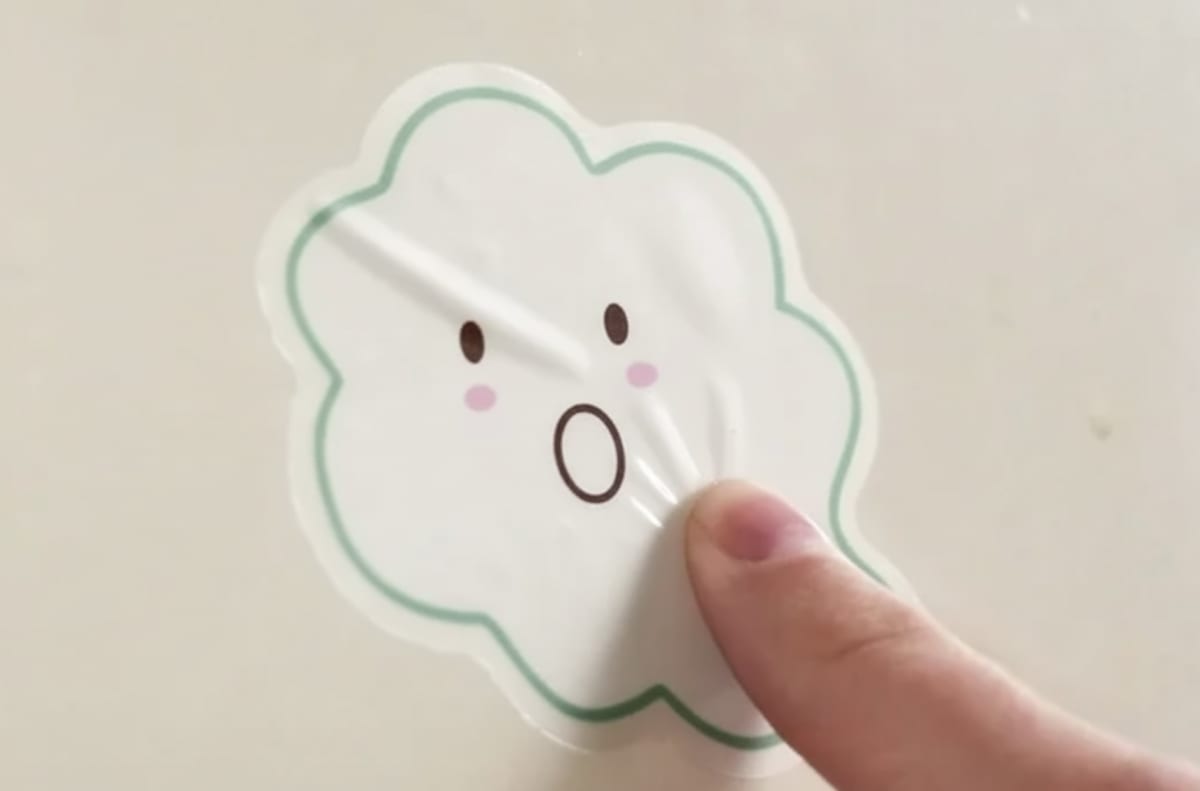
Installing window decals without bubbles is mostly about discipline. Clean glass, controlled alignment, and steady squeegee passes do more than any trick product ever will. When a decal goes on badly, the cause is usually simple: dust, contaminated glass, too much heat, too much haste, or poor pressure control.
That is especially true on Sacramento storefronts, where installers often fight direct sun, warm glass, and busy jobsite conditions while trying to make a graphic look effortless.
Why bubbles happen in the first place
A bubble is usually trapped air or trapped application fluid that never got pushed out during installation. Sometimes it is caused by contamination on the glass. Sometimes it comes from uneven pressure or a decal that was allowed to touch down before it was aligned properly.
The important point is that bubble prevention starts before the decal touches the window.
Prep the glass like it actually matters
For storefront window decals, preparation determines how well the finished graphics sit. Even clean-looking storefront glass can still hold dust, oils, old cleaner residue, or adhesive contamination from previous graphics. The surface needs to be genuinely clean and dry before the install starts. If the area has old decal residue or paint overspray, that should be handled before you even think about positioning the new graphic.
On commercial storefronts, we also try to control the surrounding environment as much as possible. Open doors, HVAC blowback, and active jobsite dust all make bubble-free installation harder.
Choose the application method specified for the film
Check the film manufacturer’s instructions before choosing wet or dry application. 3M’s application guidance allows application liquid only when the film’s product bulletin specifically recommends it. A larger decal is not, by itself, a reason to use the wet method.
Once the material is selected, plan the tools, positioning method, and working conditions around its instructions.
Use a hinge and control the alignment
One of the cleanest ways to avoid bubbles is to avoid panic. A hinge setup lets you align the decal before the adhesive is fully committed. Once the placement is right, you can lower and work the graphic with much more control than if you try to float the whole thing into place on instinct.
That control matters even more on larger windows where a slight skew becomes obvious from the parking lot.
Squeegee technique is where the install succeeds or fails
The squeegee should move with even, overlapping strokes that push air and fluid toward the edge of the decal. Random pressure and short inconsistent passes are how people create trapped pockets they later call “surprise bubbles.”
A felt edge or a proper application edge also helps protect the face of the graphic while letting the installer keep consistent pressure.
Why hot Sacramento glass creates problems
Window decals are much harder to install cleanly when the glass is heated by direct sun. The material becomes less forgiving, the adhesive grabs differently, and the installer loses useful working time. On hot days, better timing usually means earlier installs, shaded conditions, or waiting until the glass is manageable again.
Trying to force a perfect install onto overheated glass is one of the fastest ways to create a decal that looks fine up close and sloppy from the street.
Transfer tape timing matters
Removing transfer tape is part of the application process, not the cleanup step. If the decal has not bonded enough, the tape can lift the lettering or distort the graphic. If it is a wet install, patience matters even more because the moisture still needs time to move out and the adhesive needs time to grab.
A calm low-angle peel usually works better than a rushed upward rip.
What to do about bubbles after the install
Small bubbles are not all equal. Some tiny pockets settle as the install cures. Others can be worked out carefully. But visible trapped areas usually mean something went wrong earlier, and it is better to be honest about that than pretend every flaw will disappear on its own.
The best cure for bubbles is still preventing them in the first place.
The practical standard
A good window decal install should look flat, intentional, and calm. The graphic should feel like part of the storefront rather than a piece of film barely hanging on. That comes from prep, temperature control, alignment, and patient application, not luck.
If you need storefront decals or window lettering installed cleanly in the Sacramento region, start your project. We can help with graphics, material choice, and installation so the finished window reads the way it should from day one.
FAQ
Why do air bubbles appear under window decals?
Usually because dust, trapped moisture, poor surface prep, or rushed squeegee passes leave air or fluid behind. Bubbles are often installation errors, not material defects.
Is the wet method always best for window decals?
No. Use wet application only when the film manufacturer recommends it for that product and surface. Some films require dry application even on larger graphics.
When should transfer tape be removed?
After the decal has bonded enough to stay in place cleanly. Pulling too early can lift the vinyl, while waiting too little after a wet install can trap avoidable frustration into the job.
What Sacramento condition causes trouble during window installs?
Hot glass is a major one. Direct sun on storefront glass can make vinyl harder to control and can shorten the working time before the adhesive starts grabbing unpredictably.
Can small bubbles be fixed after installation?
Sometimes. Small bubbles may settle or can be worked out carefully, but large trapped pockets usually point to a setup or application problem that should have been handled during install.