
Bronze Plaque Mounting: Screws and Wall Conditions
Bronze plaque hardware should be chosen for the wall, the plaque weight, the visible finish, and the risk of corrosion or staining. The wrong screw can ruin an otherwise permanent installation.
Key takeaways
- Fastener choice should start with the mounting surface and plaque weight, not just with color match.
- Silicon bronze and stainless steel are usually the safest starting points for exterior bronze plaques.
- Galvanic compatibility and wall staining matter more than many owners expect, especially on masonry and stone.
- Anchors, pilot holes, and spacers need to be matched to the substrate or the plaque can loosen or crack the surface.
- A plaque installation should look permanent and stay serviceable, not just hold on day one.
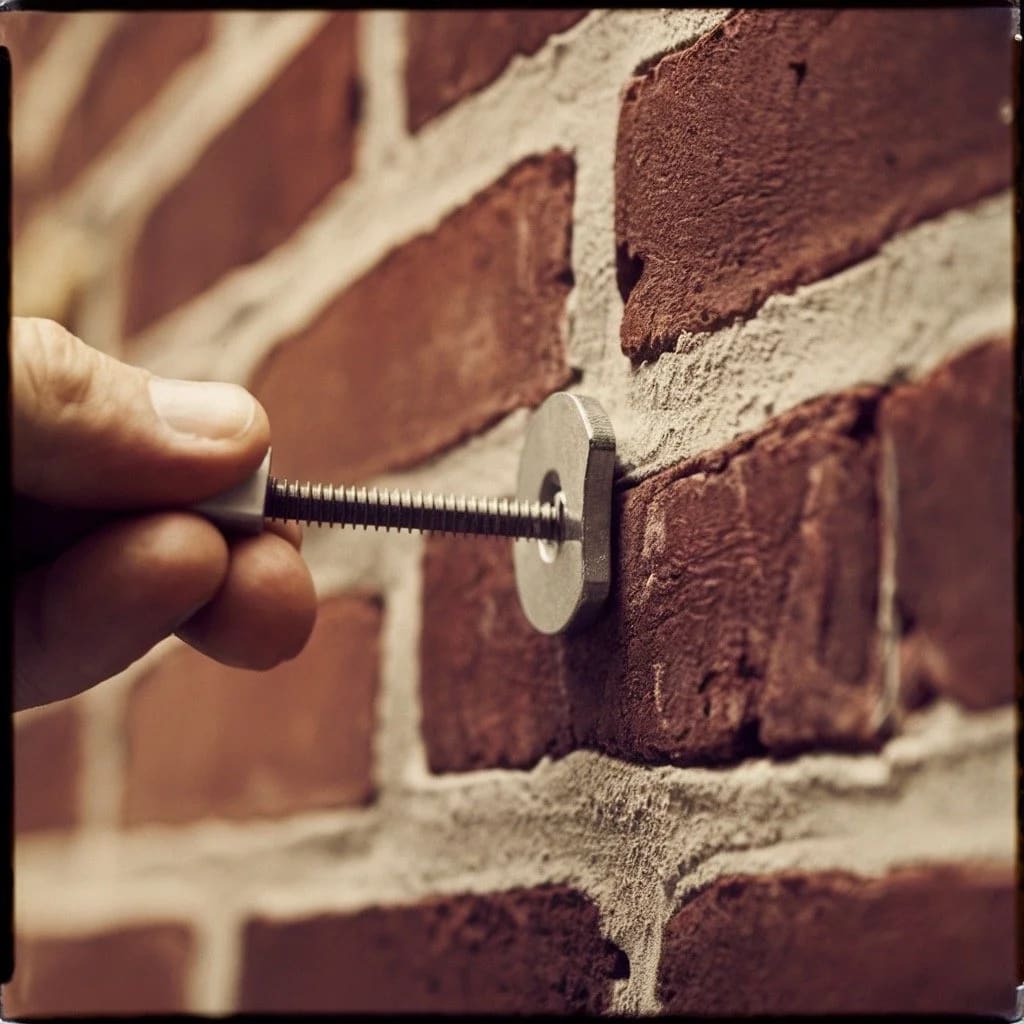
A bronze plaque is supposed to look permanent. The hardware should support that impression. When the wrong screw is used, the problems show up fast: staining on masonry, loose corners, broken heads during install, or visible hardware that undermines the plaque itself.
For Sacramento-area plaque work, the right fastener choice depends on four things: the plaque weight, the wall material, the visible finish, and how exposed the installation is to moisture or public wear.
Why screw selection matters more than people think
Plaques often outlast the first wall they are mounted on. That only happens if the fasteners and anchors are chosen correctly. A good screw does more than hold. It avoids rust streaks, limits galvanic issues, protects the wall material, and keeps the plaque sitting clean and flat over time.
Start with the mounting surface
The wall usually decides the hardware strategy first.
- Wood: needs proper pilot holes and screw sizing so the plaque sits tight without splitting the substrate.
- Concrete, brick, and stone: usually require anchors and more careful hole planning so the plaque is secure without damaging the surface.
- Metal backers or frames: require attention to galvanic compatibility and visible finish.
That is why the same screw that works on a wood memorial wall is not automatically the right choice for a stone monument or concrete facade.
Best hardware starting points for bronze plaques
Silicon bronze screws are often preferred when color harmony and corrosion resistance both matter. They tend to look more natural with bronze plaques than bright generic hardware.
Stainless steel screws are also a strong option, especially when the installation demands higher strength or more versatile availability. In many cases, stainless becomes the practical choice, provided the overall joint is detailed well and the look is acceptable.
Cheap plated fasteners are usually where trouble starts. They may look fine during installation and then stain or deteriorate long before the plaque itself does.
Galvanic compatibility is not just a marine issue
Sacramento is not a coastal market, but plaque hardware can still see moisture from irrigation, washing, rain, and wet masonry. When dissimilar metals are combined carelessly, corrosion and staining can show up around the hardware and hurt the appearance of the installation.
That is why matching metals where practical, or isolating them intelligently where necessary, matters on plaque work.
Screw size and spacing should follow the plaque, not habit
Small donor plaques and heavy cast memorial plaques do not need the same hardware. The weight of the plaque, the number of mounting points, and the rigidity of the wall all influence screw size, anchor selection, and spacing. The goal is even support without putting too much stress into one corner or one hole.
Installation details that affect the outcome
Good plaque installs usually depend on a few quiet details:
- clean, correctly sized pilot holes
- anchors suited to the substrate
- hardware that fits countersinks or mounting holes properly
- careful tightening so the plaque sits firm without stressing the casting or wall face
- spacing details that prevent moisture and debris from being trapped behind the plaque when needed
Over-tightening is one of the most common mistakes. A plaque should be secure, not forced into the wall until the hardware or surface starts to complain.
Where Sacramento installs typically go wrong
Problems usually come from mismatched hardware, low-grade anchors, ignoring the wall condition, or treating a commemorative plaque like a lightweight sign panel. Plaques often sit on schools, churches, parks, civic spaces, and donor walls where appearance matters just as much as basic hold strength.
Choose hardware like the plaque is meant to stay
The best bronze-plaque hardware is the hardware that disappears into the installation, supports the wall correctly, and avoids creating future maintenance issues. That usually means choosing corrosion-resistant screws, matching the anchor strategy to the substrate, and resisting the temptation to use a generic fastener just because it is convenient.
If you need help with bronze plaque installation or hardware selection in the Sacramento area, start your project. We can help match the plaque, fasteners, and wall condition so the installation looks permanent for the right reasons.
FAQ
What type of screw is best for mounting a bronze plaque?
Usually silicon bronze or stainless steel, depending on the plaque design and wall condition. The best choice depends on appearance, corrosion resistance, and the substrate the plaque is being mounted to.
Can I mount a bronze plaque on any surface?
Many surfaces can work, but each one needs the right hardware strategy. Wood, masonry, stone, concrete, and metal all require different hole prep, anchors, and spacing details.
How do I prevent rust on bronze plaque mounting screws?
Use corrosion-resistant hardware, avoid cheap plated fasteners, and prevent dissimilar metals from creating staining or galvanic issues at the wall. Periodic inspection also helps catch problems before they mark the plaque or surface.
What is galvanic corrosion and how do I avoid it?
It is corrosion caused by dissimilar metals in contact where moisture is present. It can be reduced by using compatible hardware, isolating dissimilar metals, and keeping the joint details clean and well planned.
How often should I check the screws on a bronze plaque?
At least annually, and sooner if the plaque is outdoors, near irrigation, or mounted in a public area where vibration or tampering could affect it.