
Best Wood for Painted Outdoor Signs
Wood signs can perform well in the Sacramento region, but only when the substrate matches the job. Here is how cedar, MDO, and specialty plywood hold up under sun, seasonal moisture, and real storefront exposure.
Key takeaways
- Western Red Cedar is a strong choice for carved or dimensional exterior signs because it stays relatively stable and resists decay.
- MDO is often the most practical option for painted flat-panel wood signs thanks to its smooth face and predictable finish quality.
- Marine-grade plywood is best treated as a specialty substrate for wet or demanding conditions, not the automatic default for every Sacramento exterior sign.
- Edge sealing, back sealing, and smart mounting details matter just as much as the wood species if you want a wood sign to last outdoors.
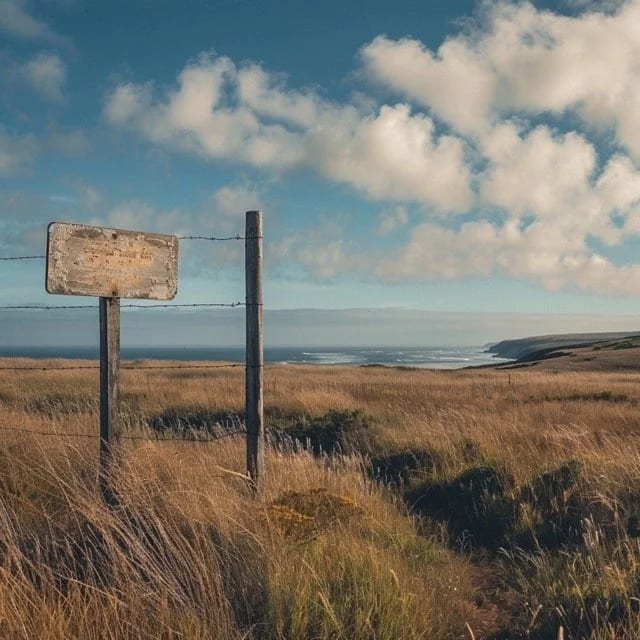
Wood signs can look fantastic in the Sacramento region, but the wrong substrate fails fast. A panel that seems fine in a workshop can start checking, swelling, or peeling once it is mounted on a west-facing storefront, installed over an irrigated planter bed, or exposed to heat bouncing off a parking lot all summer.
For outdoor painted signs, the smarter question is not just “what wood is best?” It is “what wood is best for this sign type, this finish system, and this exposure?”
What actually challenges wood signs in Sacramento?
Sacramento does not have constant marine exposure, but it is still demanding on exterior signage.
- Hot summer sun: South- and west-facing signs take heavy UV and surface heat.
- Cool, damp winter mornings: Moisture settles into edges, backs, and hardware penetrations.
- Irrigation overspray: Monument signs and landscape-adjacent panels often get hit more by sprinklers than rain.
- Expansion and contraction: Repeated seasonal movement stresses paint films and weak edge details.
That combination means ordinary construction plywood or soft interior-grade lumber is rarely worth the risk for a commercial exterior sign.
Western Red Cedar: best for carved and character-rich signs
Western Red Cedar remains one of the strongest natural wood choices for outdoor sign work. The Western Red Cedar Lumber Association highlights its stability and natural decay resistance, which is exactly why it keeps showing up in quality carved signs, hanging panels, and dimensional business signage.
Cedar makes the most sense when you want visible wood character, routed depth, or a sign that feels crafted rather than manufactured. It is especially useful for restaurants, boutiques, farm-adjacent retail, tasting rooms, and neighborhood businesses trying to avoid the look of a standard printed panel.
Its strengths include:
- Natural resistance to rot and insect damage
- Better stability than many common softwoods
- Good paint and stain performance when properly primed
- Lighter weight for projecting and hanging signs
MDO: often the best flat painted sign substrate
For many Sacramento storefront signs, MDO plywood is the more practical answer than cedar or marine-grade plywood. MDO has a resin-treated overlay face that paints up smoothly, making it a strong fit for hand-painted panels, block-letter business signs, and flat fascia graphics.
When the goal is a clean painted finish rather than exposed wood grain, MDO often gives the best balance of appearance, rigidity, and cost. It is also easier to letter cleanly than rougher wood species, which matters if the sign relies on crisp typography rather than rustic texture.
MDO is usually the right call for:
- Flat storefront panels
- Painted menu boards and exterior directories
- Temporary-to-midterm tenant signs that still need to look polished
- Projects where hand-painted copy needs a smooth, consistent face
Marine-grade plywood: useful, but not always necessary
Marine-grade plywood has real advantages, especially where panel stability and moisture resistance matter. The Spruce notes its void-free construction and waterproof glue lines, both of which help when a sign is exposed to more demanding conditions.
But it is not the automatic best choice for every Sacramento project. It generally costs more, and if the sign is a straightforward painted storefront panel under modest exposure, the extra spend may not buy much over properly prepared MDO.
Marine-grade plywood is most defensible when:
- The sign is large and needs better panel stability
- Moisture exposure is unusually high
- The design requires a plywood format but ordinary exterior ply is too risky
- You are building a sign where edges can be fully sealed and maintained properly
How should you choose between cedar, MDO, and marine plywood?
Use the intended sign type to drive the decision.
- Cedar: Best for carved signs, dimensional hangs, rustic or heritage-leaning branding, and projects where wood character is part of the design.
- MDO: Best for smooth painted panels, hand-lettered storefront boards, and flat commercial signs that need crisp graphics.
- Marine-grade plywood: Best for specialty panel conditions where moisture resistance and stable construction justify the added cost.
Why prep and edge treatment matter more than people think
Most outdoor wood signs do not fail in the middle of the face. They fail at edges, backs, seams, and mounting points.
- Seal the edges thoroughly: End grain and cut edges are moisture entry points.
- Prime the back as well as the face: A one-sided finish schedule invites uneven movement.
- Use compatible primers and topcoats: Match the paint system to the substrate and exposure.
- Protect fastener penetrations: Hardware holes and brackets often become the first water path.
- Create drainage and airflow: Signs mounted tight against wet walls age faster.
That is especially important around Sacramento shopping centers, multi-tenant properties, and monument locations where irrigation overspray is constant.
What maintenance should owners expect?
Even a well-built wood sign needs periodic checks. Annual inspection is a reasonable baseline, and higher-exposure signs may need more attention.
- Look for peeling at the bottom edge first
- Check for open joints and cracked caulk near fasteners
- Touch up exposed raw wood before moisture gets behind the finish
- Watch for sprinkler damage and trapped debris behind the sign
Choose the substrate that fits the storefront, not just the article headline
There is no single “best wood” for every Sacramento exterior sign. Cedar is excellent for carved and character-rich work. MDO is often the smartest flat painted panel choice. Marine-grade plywood earns its keep when moisture and panel stability are bigger concerns.
If you are planning an outdoor painted sign and want help choosing between wood, MDO, or a non-wood alternative like custom aluminum signage, start your project with Sactown Signco. We can help match the substrate to the frontage, finish, and maintenance reality of the site.
FAQ
What wood is best for a painted storefront sign in Sacramento?
For many flat painted storefront panels, MDO is the most practical choice because it gives you a smooth paintable face and more predictable results than ordinary plywood. Cedar is often better for carved or dimensional pieces.
Is cedar good for outdoor signs in Sacramento?
Yes, cedar is one of the better natural wood choices for Sacramento exteriors. It resists decay, stays relatively stable, and works especially well for carved signs, hanging panels, and projects where visible wood character matters.
Do I need marine-grade plywood for an outdoor sign?
Not always. Marine-grade plywood can be useful when a sign faces more moisture or needs exceptional panel stability, but many Sacramento storefront signs perform very well with properly prepared MDO or cedar.
Why do wood signs fail outdoors?
Most failures start at the edges, fastener penetrations, or the back of the sign. Poor sealing, trapped moisture, irrigation overspray, and direct sun exposure usually do more damage than the species alone.